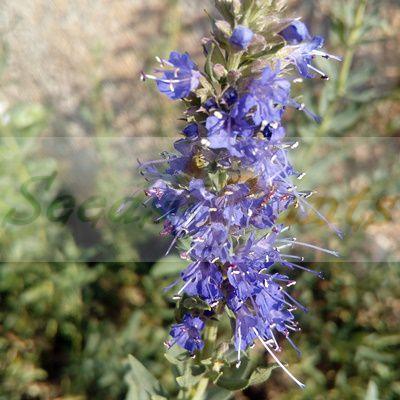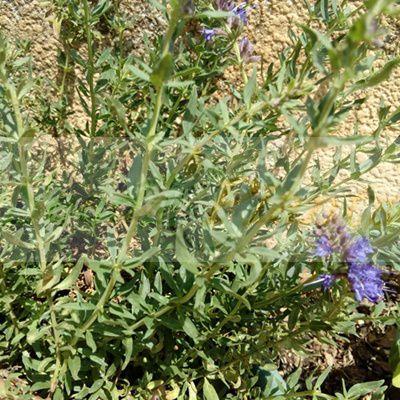


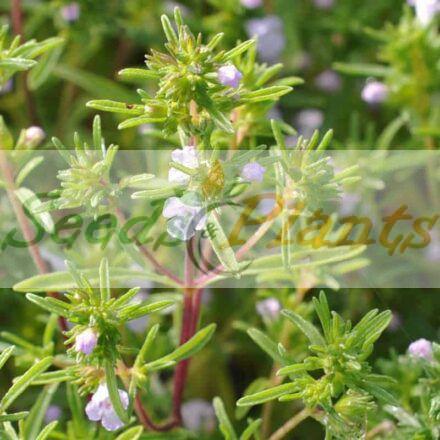
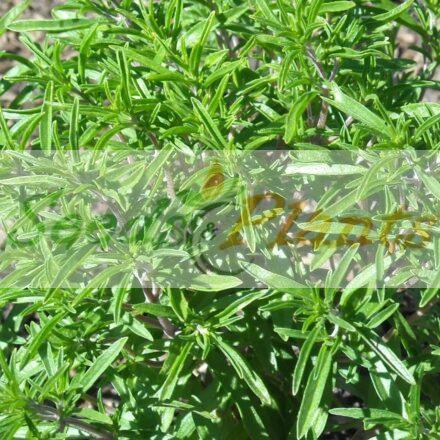

Summer Savory – 100 Seeds
(Satureja hortensis)
R30.00
Summer Savory is a highly aromatic herb and features a hot, peppery flavor with notes of marjoram, mint, and thyme.
Indoor Sowing: Late Winter.
Direct Sowing: Spring.
In stock
🍃 Culinary Quick Facts
Culinary Info
- 🍽️ Culinary Use: Marinades/Dressings, Rubs, Salads, Soups and Stews
- 😋 Flavor Profile: Peppery, Piney
Growth Traits
- 🌱 Life Cycle: Annual
- 🦋 Pollinator Method: Attracts Bees, Attracts Butterflies, Attracts Hoverflies, Attracts Wasps
- 🪴 Growth Habit: Bushy
Growing Requirements
- 🌞 Sun Exposure: Full Sun
- 💧 Water Needs: Avoid Overwatering, Moderate Water
- ☀️ Growing Conditions: Drought Tolerant, Frost Sensitive, Heat Tolerant, Not Cold Tolerant
- 🟤 Soil Preference: Moderately Fertile, Well-Drained
Summer savory (Satureja hortensis) is among the best known of the savory genus. It is an annual, but otherwise is similar in use and flavor to the perennial winter savory. It is used more often than winter savory, which has a slightly more bitter flavor.
Native to the eastern Mediterranean and the Caucasus, it’s a highly aromatic herb and features a hot, peppery flavor with notes of marjoram, mint, and thyme. Its flavor is also similar to that of its perennial cousin, winter savory – although the winter variety has a slightly more bitter, earthy taste.
Summer Savory Culinary Uses
It is a characteristic ingredient of herbes de Provence. It is also widely used as a seasoning for grilled meats and barbecues, as well as in stews and sauces.
Use the leaves of either to flavor meat, beans, and other vegetables. Put savory in cooking water and it will cut the odors of cabbage, turnips, and other strong-smelling vegetables.
Growing Summer Savory
Indoor Sowing: Late Winter.
Direct Sowing: Spring.
- Sow Summer Savory Seeds indoors as early as 6 to 8 weeks before the last frost.
- Surface sow the seeds and do not cover with soil, as light is needed for germination to take place.
- Keep soil consistently moist.
- Seeds can take 14 days or longer to germinate.
- Set seedlings in the garden after the last frost in spring.
- Or you can direct sow savory in the garden in spring about the time of the average last frost date.
- Savory require regular even watering until established. Once savory is established it can be kept on the dry side.
- Summer savory can tolerate heat but not cold
Related products