
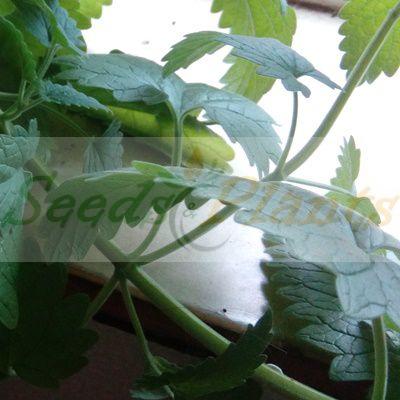
Catnip – 100 Seeds
(Nepeta cataria)
R30.00
This perennial herb has aromatic leaves that most cats are attracted to. The plant also has many medicinal benefits.
Common Names: Catnip, catswort, catwort, and catmint.
Indoor Sowing: Late Winter and Early Spring.
Direct Sowing: Spring and Autumn.
Only 2 left in stock
🍃 Culinary Quick Facts
Culinary Info
- 🍽️ Culinary Use: Beverages/Teas, Rubs, Salads, Sauces, Soups and Stews
- 😋 Flavor Profile: Minty
Medicinal Info
- 🌿 Medicinal Part: Flower, Leaf, Root, Stem
- 🥣 Herbal Preparation: Essential Oil, Extract / Tincture, Infusion / Tea, Juice, Ointments/Creams, Poultice, Smoking
- ⚕️ Healing System: American Traditional Medicine, European Traditional Medicine
Growth Traits
- 🌱 Life Cycle: Perennial
- 🦋 Pollinator Method: Attracts Bees, Attracts Butterflies, Attracts Moths, Attracts Wasps
- 🪴 Growth Habit: Sprawling, Upright
- 🌸 Flower Color: White
Growing Requirements
- 🌞 Sun Exposure: Full Sun, Partial Shade
- 💧 Water Needs: Avoid Overwatering
- ☀️ Growing Conditions: Cold Tolerant, Drought Tolerant, Frost Tolerant, Heat Tolerant
- 🟤 Soil Preference: Compost Enriched, Loam, Sandy, Tolerant of most soils, Well-Drained
Catnip (Nepeta cataria), commonly known as catnip, catswort, catwort, and catmint, is a species of the genus Nepeta in the family Lamiaceae, native to southern and eastern Europe, the Middle East, Central Asia, and parts of China. Typically found in disturbed areas, such as roadsides or field edges, along streams or on waste ground, this perennial herb has aromatic leaves that most cats are attracted to. The plant also has many medicinal benefits.
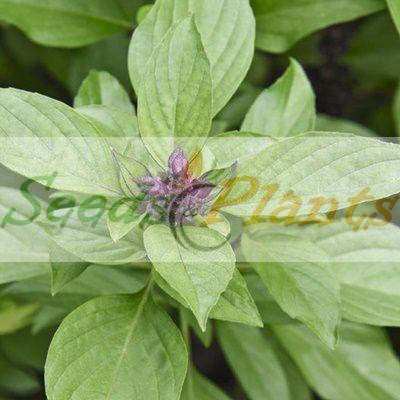
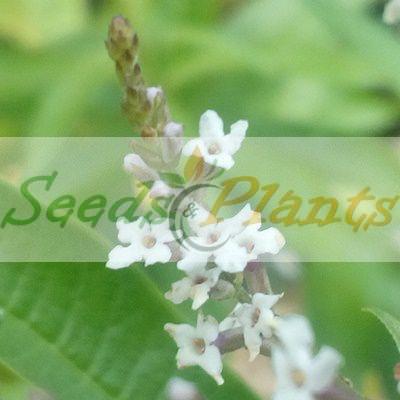
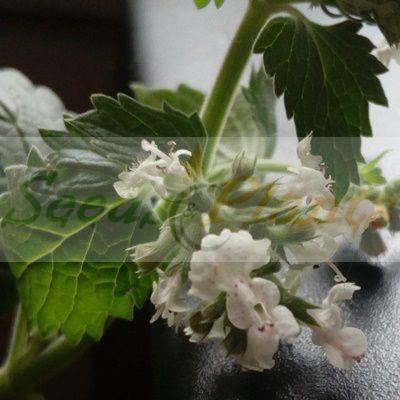
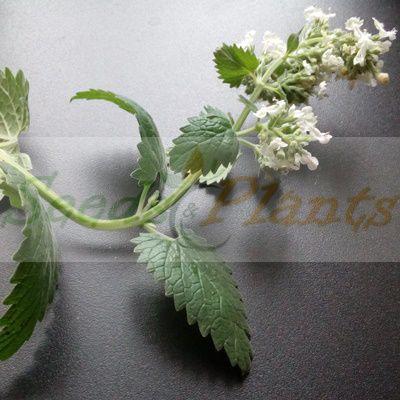
The stems are square with toothed leaves, and the small white or light pink flowers grow in spikes.
Medicinal Benefits
- The plant has been used to treat intestinal cramps, for indigestion, to cause sweating, to induce menstruation, as a sedative, and to increase appetite.
- Additionally, the plant has been used to treat diarrhea, colic, the common cold, and cancer.
Growing Catnip
Indoor Sowing: Late Winter and Early Spring.
Direct Sowing: Spring and Autumn.
- Prepare pots with moist seed-starting mix.
- Surface sow the seeds on top of the seed starting mix.
- Barely cover the seeds, as light aids germination.
- Keep the soil evenly moist until seedlings appear, and then place the pots in a sunny spot.
- Catnip grows best in full sun and average, well-drained soil, but survives in partial shade and thrives in poor soils. Once established, this plant is fairly drought tolerant.
Related products