
Loofah – 5 Seeds
(Luffa cylindrica)
R30.00
The dry fruit of the Loofah plant can be used as a sponge. Young green fruits can be boiled and eaten as a vegetable and the plant has medicinal and other uses.
Indoor Sowing: Late Winter and Early Spring.
Direct Sowing: Spring.
Out of Stock
Email me when the product is back in stock.
🥕 Vegetable Quick Facts
Uses
- ⓘ Plant Use: Biomass Producer, Cosmetics/Skincare, Culinary, Industrial Applications, Medicinal
Vegetable Info
- 🥬 Vegetable Type: Fruiting Vegetable
- 🍽️ Culinary Use: Boiled / Steamed, Curries, Raw Eating, Stir-frying
- 🥗 Edible Part: Buds, Flower, Leaf, Seed, shoot tips, Young Fruit
- 😋 Flavor Profile: Earthy, Mildly Sweet
Medicinal Info
- 🌿 Medicinal Part: Fruit Pulp, Leaf, Root, Seed
- 🥣 Herbal Preparation: Decoction, Extract / Tincture, Infusion / Tea, Juice, Syrup
- ⚕️ Healing System: African Traditional Medicine, Ayurvedic System of Medicine, Chinese Traditional Medicine
Growth Traits
- 🌱 Life Cycle: Annual
- 🌾 Plant Type: Herbaceous Vine
- 🪴 Growth Habit: Climber
Growing Requirements
- 🌞 Sun Exposure: Full Sun
- 💧 Water Needs: Avoid Overwatering, High Water
- ☀️ Growing Conditions: Drought Tolerant, Frost Sensitive, Heat Tolerant, Not Cold Tolerant
- 🟤 Soil Preference: pH 6.0 - 6.8, Rich Organic, Sandy loam
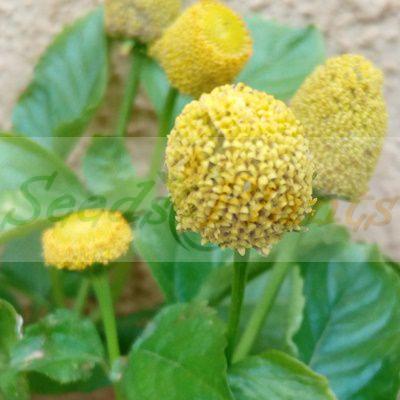
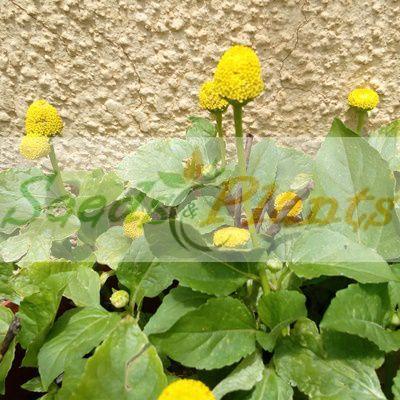
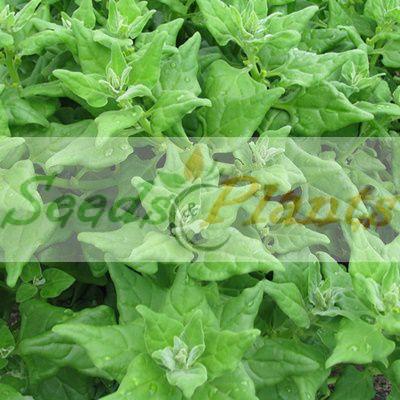
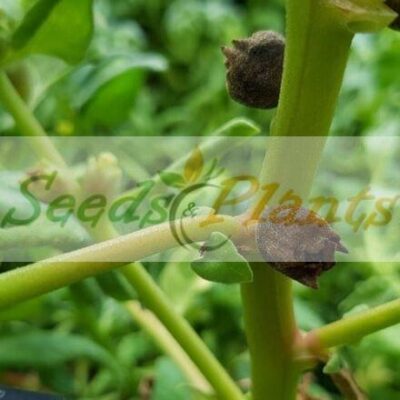
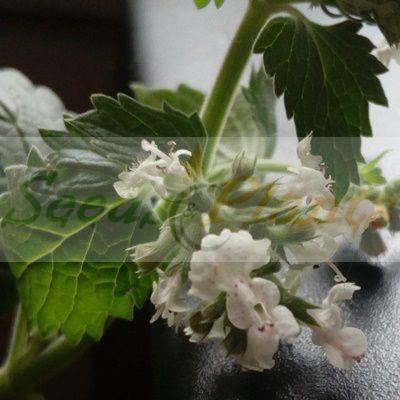
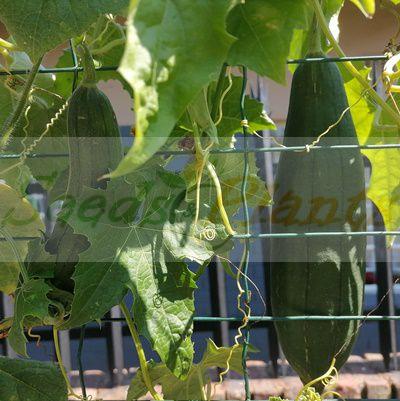
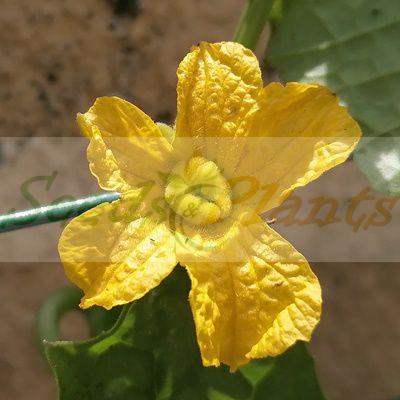
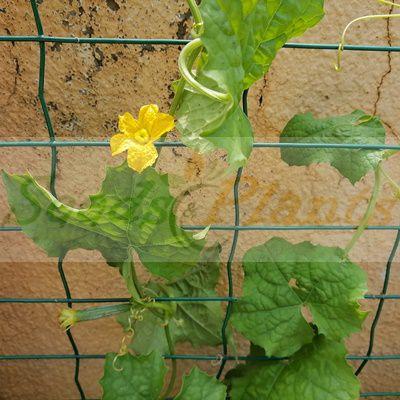
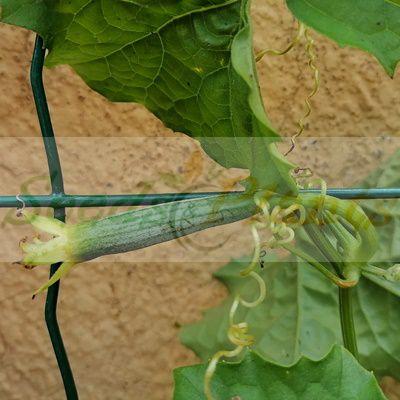
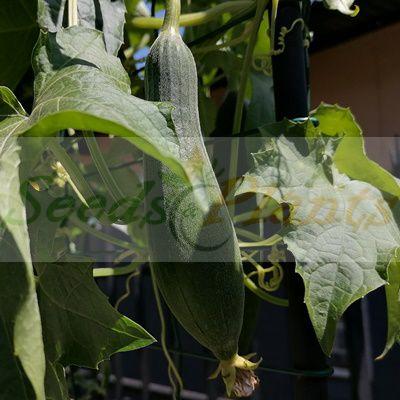
Loofah (Luffa cylindrica) is a very fast growing climber. Its leaves are 7 – 20 cm across and have three lobes. Flowers are bright yellow. The fruits which grow to about 60 cm in length are oblong or cylindrical, smooth and contain many seeds. It is a highly versatile plant where nearly every part is used for food, medicine, or industrial purposes. The dry fruit of Luffa cylindrica can be used as a sponge. Young green fruits can be boiled and eaten as a vegetable.
Common names: Smooth luffa, sponge luffa, vegetable sponge gourd, climbing okra, dishcloth gourd, Chinese okra
Culinary Use
- The young, tender fruit is widely used in Asian cuisine (India, China, Philippines) as a substitute for zucchini or cucumber in stir-fries, curries, and soups.
- Tender fruits can be eaten fresh in salads.
- Leaves, shoots, and flowers are lightly steamed or used in soups.
Edible Parts
- Young Fruit: The primary edible part, best harvested when 10–15 cm long, tender, and green.
- Flowers & Flower Buds: Can be eaten, often lightly steamed or added to salads.
- Leaves & Shoots: Young leaves and shoot tips are used as a vegetable.
- Seeds: Roasted as a snack or pressed for oil.
Medicinal Benefits
- Fruit Pulp: Used in traditional medicine for treating bronchitis, spleen diseases, fever, and as a diuretic.
- Leaves: Formulations (juices, decoctions) are used for treating malaria, amenorrhea, stomach pains, and as an aborticide.
- Seeds: Used as a purgative, emetic, and for treating leprosy or skin diseases.
- Root: Used in some traditional systems for treating nose cancer and as a muscle relaxant.
- Whole Plant: Used for treating skin diseases, rheumatism, hemorrhoids, and to induce lactation.
Other Uses
- Natural Sponge (Loofah): The matured, dried, and de-seeded fruit forms a dense fibrous, biodegradable sponge for bathing and household cleaning.
- Cosmetics/Skincare: The sponge is used for exfoliation, and the oil from the seeds is used in soaps, lotions, and sunscreens.
- Industrial/Household: Used for water filtration, filtering palm wine, or as a sound-absorbing material.
- Compost: The seed cake, rich in nitrogen and phosphorus, acts as fertilizer.
Growing Loofah
Indoor Sowing: Late Winter and Early Spring.
Direct Sowing: Spring.
- Soak the seeds in lukewarm water for a few hours to 24 hours before planting.
- You can direct sow in Spring once all danger of frost has passed and soil temperatures are consistently warm, ideally between 20-30°C
- Choose a spot with full sun and provide a sturdy trellis or support system for the vines to climb on.
- Make a small hole, plant 1 – 2 seeds per hole, and cover them with about 1.5-2 cm of soil.
- Keep the soil consistently moist but not saturated to encourage germination.
- Alternatively you can start the seeds indoors in Late Winter or Early Spring.
- For indoor sowing, fill small pots with compost and plant the seeds about 1.5 to 2 cm deep.
- Keep the pots in a warm location with a sunny window, as loofah seeds need warm temperatures of around 25-30°C to germinate.
- Cover with plastic wrap or a seeding dome.
- Keep the soil consistently moist but not saturated to encourage germination.
- Average germination time is 7 to 14 days.
- Once the seeds have germinated remove the plastic wrap or dome to promote good air flow. Keep the soil lightly moist but not wet.
- In Spring after the risk of frost has passed, it’s time to harden off loofah seedlings.
- After a week of hardening off, plant the seedlings in an area that gets full sun.
- Provide the seedlings with a strong trellis.
- Loofah plants need regular watering.
- Can also be grown in large containers.
Related products