Toadflax – 10 Seeds
(Linaria vulgaris)
R30.00
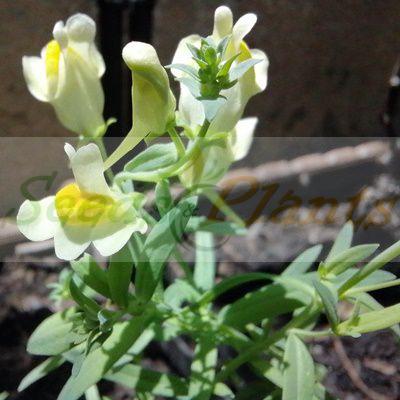
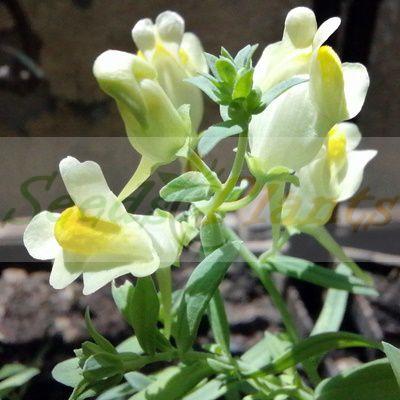
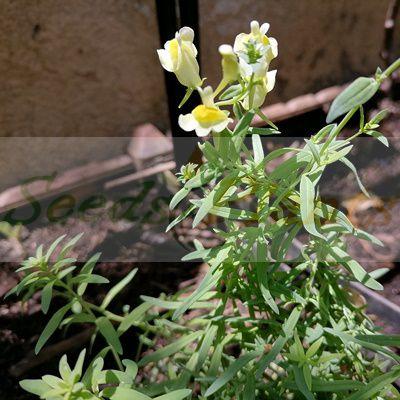
Toadflax plant produces light yellow flowers, resembling small snapdragons. The plant has medicinal uses.
Common Names: Toadflax, butter and eggs, wild snapdragon.
Indoor Sowing: Cold Stratification and then sow seeds in Early Spring.
Direct Sowing: Autumn.
In stock
🌿 Herbal Quick Facts
Medicinal Info
- 🌿 Medicinal Part: Flower, Leaf, Root, Stem
- 🥣 Herbal Preparation: Decoction, Extract / Tincture, Infusion / Tea, Juice, Ointments/Creams, Poultice
- ⚕️ Healing System: European Traditional Medicine
Growth Traits
- 🌱 Life Cycle: Perennial
- 🌾 Plant Type: Herbaceous Perennial
- 🦋 Pollinator Method: Attracts Bees
- 🪴 Growth Habit: Spreading, Upright
- 🌸 Flower Color: Pale yellow
Growing Requirements
- 🌞 Sun Exposure: Full Sun
- 💧 Water Needs: Avoid Overwatering, Moderate Water
- ☀️ Growing Conditions: Cold Tolerant, Drought Tolerant, Frost Tolerant, Low Heat Tolerance, Moderate Temperatures
- 🟤 Soil Preference: Gravel, Poor Soil Tolerant, Sandy, Tolerant of most soils, Well-Drained
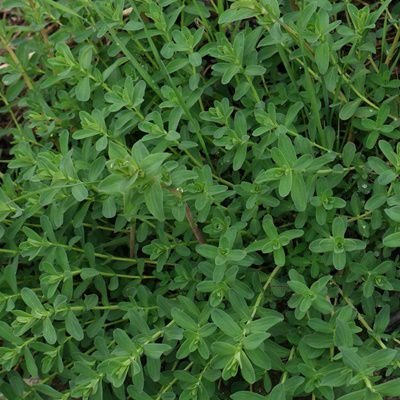
Yellow toadflax (Linaria vulgaris) is a flowering plant in the family Plantaginaceae, native to Europe, Siberia and Central Asia. It is an erect perennial, spreading by runners, with stiff stems bearing narrow, pale green leaves that are arranged in a spiral. The pale yellow flowers, resembling small snapdragons in dense spikes, appear from late spring to mid-autumn. It is also called butter and eggs or wild snapdragon. The plant has medicinal benefits.
Medicinal Benefits
- Laxative and strong diuretic.
- Treatment of oedema, jaundice, liver diseases, gall bladder complaints and skin problems.
- Used in treatment of haemorrhoids, skin eruptions, sores and malignant ulcers.
Growing Toadflax
Indoor Sowing: Cold Stratification and then sow seeds in Early Spring.
Direct Sowing: Autumn.
- Direct Sow seeds in autumn as the seeds need the cold of winter before germination takes place in Spring.
- Alternatively you can cold stratify the seeds for 3 weeks and then sow the seeds in Early Spring.
- Seeds require light to germinate, so sow them on the surface of the soil and do not cover them.
- Keep soil moist until germination.
- Maintain a temperature of 15-20°C for optimal germination.
- Toadflax likes to grow in sunny areas and the soil type is not important, as long as it is well draining.
Related products