

Sculpit – 30 Seeds
(Silene inflata)
R30.00
Sculpit is a rare to find Italian heirloom perennial herb. The sprigs and leaves are harvested before blooming and used in cooking, mainly for pasta, meat, vegetables, salads, omelets and risottos.
Common Names: Sculpit, stridolo and sclopit.
Seed Type: Heirloom – Organic – Harvested from our own plants.
Indoor Sowing: Not Recommended.
Direct Sowing: Spring and Summer.
In stock
🍃 Culinary Quick Facts
Culinary Info
- 🍽️ Culinary Use: Cooked greens, Egg Dishes, Risottos, Salads, Seasoning, Soups and Stews
- 🥗 Edible Part: Buds, Leaf, shoot tips
- 😋 Flavor Profile: Slightly sweet
- ⓘ Plant Use: Culinary
Growth Traits
- 🌱 Life Cycle: Perennial
- 🌾 Plant Type: Herbaceous Perennial
- 🦋 Pollinator Method: Attracts Bees, Attracts Butterflies, Attracts Moths, Self-pollinating
- 🪴 Growth Habit: Sprawling, Upright
- 🌸 Flower Color: White
Growing Requirements
- 🌞 Sun Exposure: Full Sun, Partial Shade
- 💧 Water Needs: Moderate Water
- ☀️ Growing Conditions: Cold Tolerant, Drought Tolerant, Frost Tolerant, Heat Tolerant
- 🟤 Soil Preference: Chalky, Gravel, Nutrient-poor, pH 6.5-8.0, Sandy, Tolerant of most soils, Well-Drained
Sculpit (Silene inflata) is an Italian heirloom perennial herb. It is also known as stridolo or sclopit. The sprigs and leaves are harvested before blooming and used in cooking, mainly for pasta, meat, vegetables, salads, omelets and risottos. In Italy where this scarce gourmet herb is found. Its unique flavor tastes like a combination of tarragon, radicchio, and arugula.
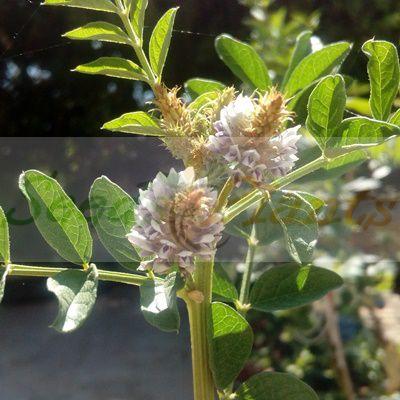
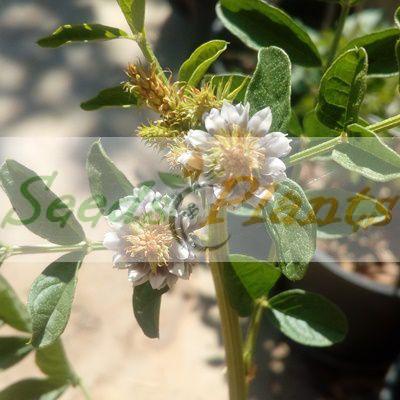
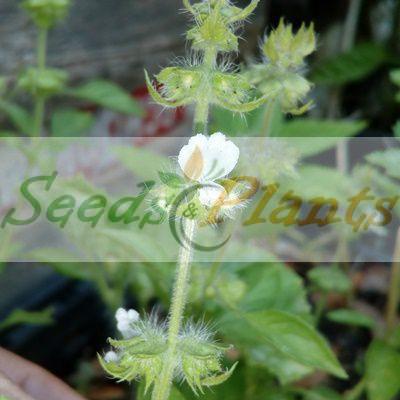
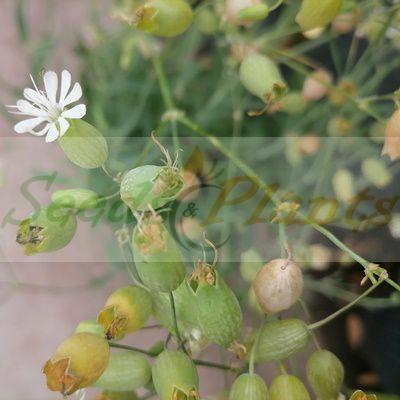
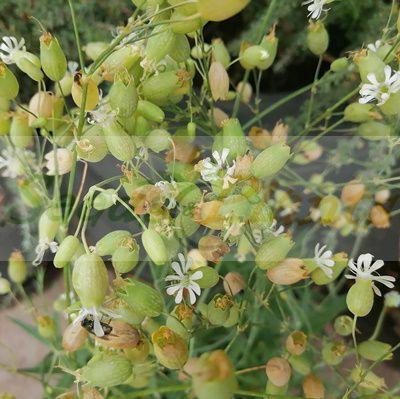
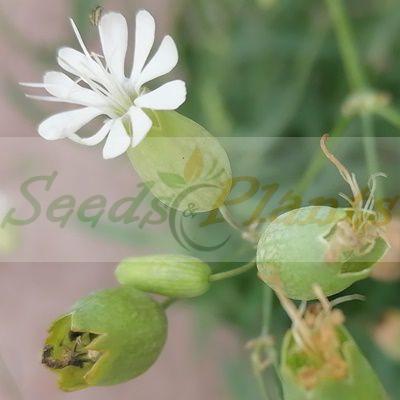
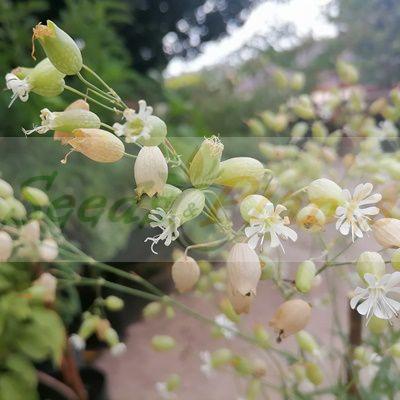
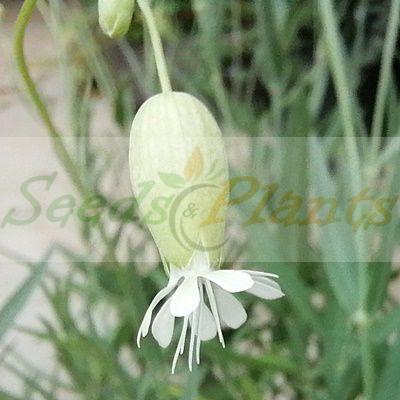
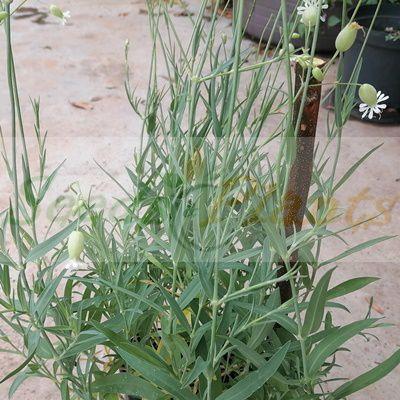
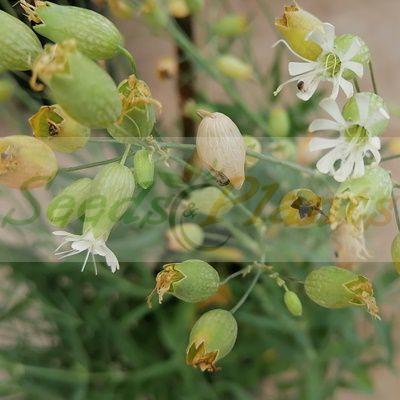
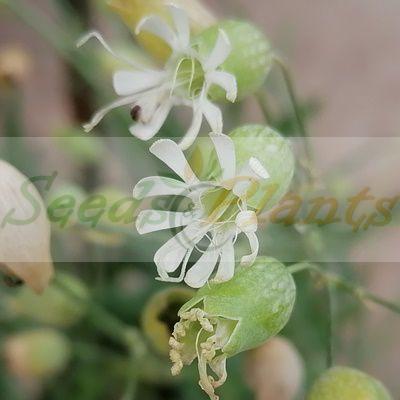
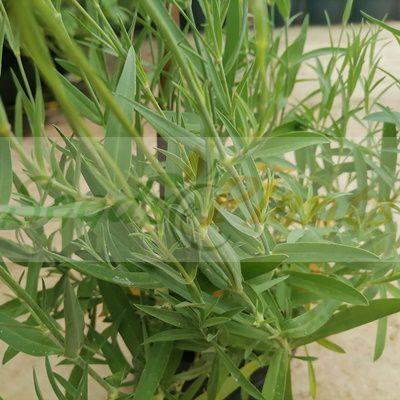
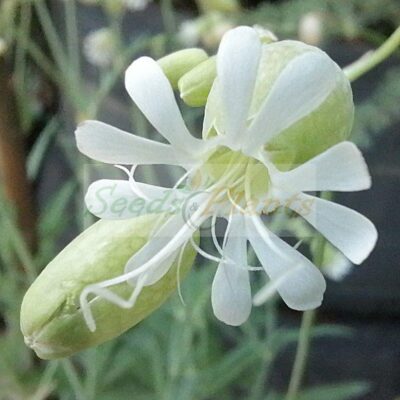
The leaves are long and lance-like, growing outward from a central stem, giving rise to sprays of beautiful balloon-shaped flowers. The inflated calyx is pink to green, and the flowers are white. This plant is loved by bees and other pollinators.
Sculpit Culinary Use
- While young leaves can be used in salads, sculpit is renowned as a cooked green, often compared to spinach, but with a more complex flavor.
- It is a classic ingredient in risottos, frittatas (omelets), pasta fillings (especially ravioli), soups, and stews.
- It pairs well with garlic, cheese, and olive oil.
- It is often used as a delicate aromatic herb in Northern Italy.
Edible Parts
- Young Leaves & Shoots: These are the primary edible parts, best harvested in early spring before the plant flowers.
- Flower Buds: The young, unopened flower buds are also edible.
Growing Sculpit
Indoor Sowing: Not Recommended.
Direct Sowing: Spring and Summer.
- Can be grown in full sun or partial shade, but does best in full sun. It prefers well-drained, fertile, and evenly moist soil.
- Sow Sculpit seeds directly in the garden after danger of frost has passed and the soil has warmed up in the spring until late summer.
- Temperatures of 15°C – 24°C is required for germination to take place.
- Surface sow the seeds and do not cover with soil, as light is needed for germination.
- Keep the soil slightly damp until germination, which takes about 1 -2 weeks.
- Thin the seedlings so the plants are at least 20cm apart.
- Can be grown in containers.
- You can cut the leaves at any stage, and the plant will quickly regrow them.
Related products