Rue – 10 Seeds
(Ruta graveolens)
R30.00
Rue is both a culinary herb and a medicinal herb.
Common Names: Rue, Wynruit (Afr), Common Rue, Garden Rue, German Rue and Herb-of-grace.
Indoor Sowing: Early Spring.
Direct Sowing: Spring and Autumn.
Only 4 left in stock
🌿 Herbal Quick Facts
Uses
- ⓘ Plant Use: Cosmetics/Skincare, Culinary, Dye / Ink, Insect Repellent, Medicinal
Medicinal Info
- 🌿 Medicinal Part: Leaf, Shoots, Stem
- 🥣 Herbal Preparation: Decoction, Essential Oil, Extract / Tincture, Infusion / Tea, Poultice
- ⚕️ Healing System: African Traditional Medicine, American Traditional Medicine, Chinese Traditional Medicine, European Traditional Medicine
Culinary Info
- 🍽️ Culinary Use: Flavoring, Spice Blends
- 😋 Flavor Profile: Bitter, Pungent
Growth Traits
- 🌱 Life Cycle: Perennial
- 🦋 Pollinator Method: Attracts Bees, Attracts Butterflies, Attracts Wasps
- 🪴 Growth Habit: Bushy, Sprawling, Upright
- 🌿 Foliage Type: Evergreen
- 🌸 Flower Color: Yellow
Growing Requirements
- 🌞 Sun Exposure: Full Sun
- 💧 Water Needs: Low Water
- ☀️ Growing Conditions: Drought Tolerant, Dry Conditions, Heat Tolerant
- 🟤 Soil Preference: Dry, pH 6.0–8.0, Poor Soil Tolerant, Rocky, Tolerant of most soils, Well-Drained
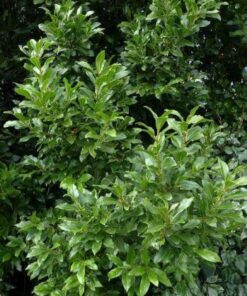
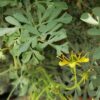
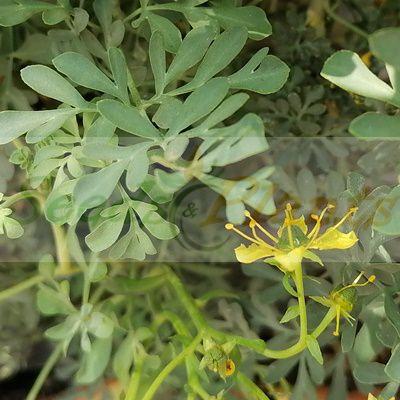
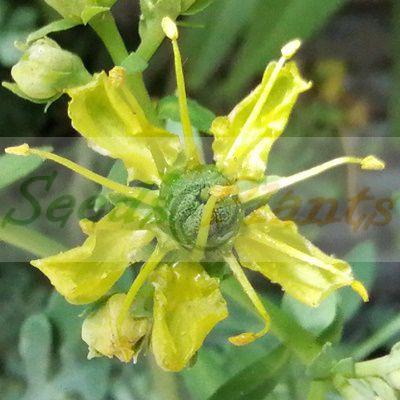
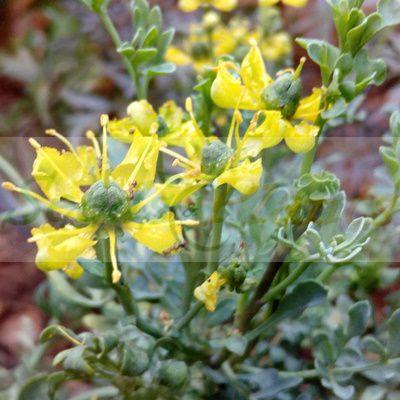
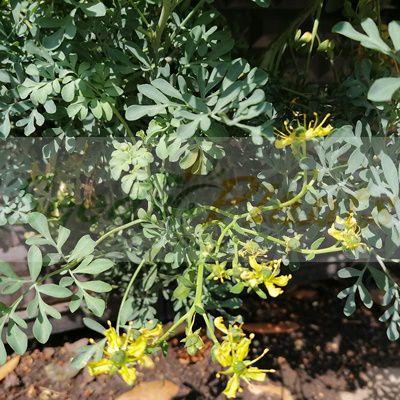
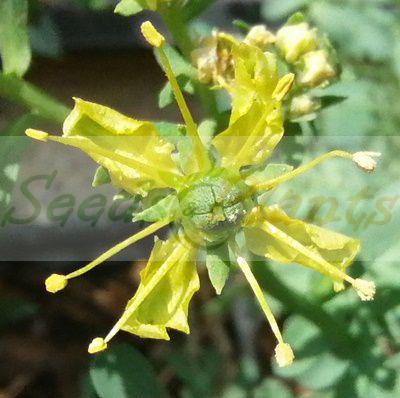
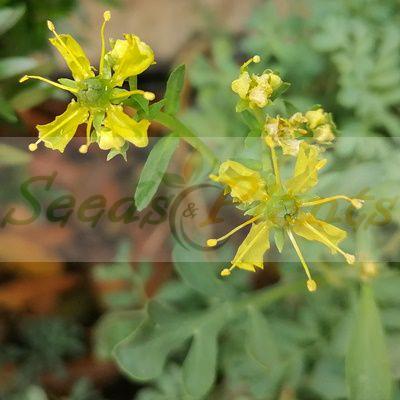
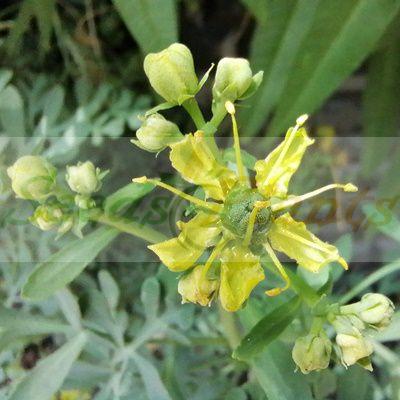
Rue (Ruta graveolens) is a perennial herb with a strong odor, small greenish-yellow flowers and blue-green leaves. It is native to Southern Europe. It is also known as common rue or herb-of-grace. Rue is both a culinary herb and a medicinal herb.
Culinary Uses:
- The bitter tasting leaves are used as a condiment to flavor various foods and as a tea.
- They may be used raw or dried for use as a seasoning.
Medicinal Benefits
- It is valued for its flavonoids, particularly rutin, which strengthens blood vessels.
- It is also used as an anti-inflammatory, antispasmodic, expectorant, hemostatic and stimulant.
- To treat coughs and stomach issues such as flatulence, it is given as an infusion.
- The juice of the rue plant has also been used to treat earaches.
Caution: In large doses, however, it can be toxic, and it should never be used by women who are pregnant or nursing.
Other Uses:
- The plant is useful for repelling insects.
- The dried leaves are also an effective moth repellent.
- When mixed as a decoction, it can be used topically to kill lice and fly larvae.
- Rue plant oils are used in a range of cosmetics, fragrance products and soaps.
- The plants are also used to make a red dye.
Caution: Wear protective gloves when handling the plant.
Growing Rue
Indoor Sowing: Early Spring.
Direct Sowing: Spring and Autumn.
- It is easy to start from seeds in the garden or in trays. Use a seed-starting mix that holds moisture but also drains well.
- Rue seeds need light to germinate, so scatter rue seeds across the surface of the soil and then gently press the seeds into the soil with your hands.
- When the seedlings develop at least two sets of true leaves, they can be transplanted into the garden or into larger pots.
- Requires full sun or at least 6 hours of full sun.
- It grows best in well-drained soil and will even grow in rocky, dry soil where other plants struggle to survive.
- Rue needs regular but not excessive watering, depending on how much rain your area gets. In dry regions, water it once a week, making sure the soil dries out between waterings. In South Africa, studies show that rue does best with about 1.5 cm of water per week.
Related products