

Tasselberry – 5 Seeds
(Antidesma venosum)
R30.00
Apart from the Tasselberry’s edible fruits, the tree also has medicinal uses.
Common names: Tasselberry (Eng.), Voëlsitboom, Tosselbessie (Afr.); isiBangamlotha, Isiqutwane, Umhlabahlungulu, Umhlalanyoni (isiZulu); modulane (Northern Sotho), Kgôbê-tsabadisana, Moingwe, Segagama (Setswana), Mufhala-khwali (Tshivenda), Umtyongi (isiXhosa).
Indoor Sowing: Spring.
Direct Sowing: Spring.
Only 3 left in stock
🍒 Fruit Quick Facts
Fruit Info
- 🍽️ Culinary Use: Cooking, Jams and Jellies, Juices and Syrups, Liqueurs/Wines, Raw Eating
- 🥗 Edible Part: Berry
- 😋 Flavor Profile: Sweet and Sour
Medicinal Info
- 🌿 Medicinal Part: Bark, Berry, Leaf, Root
- 🥣 Herbal Preparation: Decoction, Infusion / Tea
- ⚕️ Healing System: African Traditional Medicine
Growth Traits
- 🌱 Life Cycle: Perennial
- 🌾 Plant Type: Shrub, Tree
- 🔁 Fruiting Needs: Needs Male & Female Plants
- 🪴 Growth Habit: Bushy, Sprawling, Spreading, Tall Growing
- 🌸 Flower Color: Greenish yellow
- 🌿 Foliage Type: Evergreen, Semi-Deciduous
- 📏 Mature Height: 3-10m
- 🦋 Pollinator Method: Attracts Birds, Attracts Pollinators
Growing Requirements
- 🌞 Sun Exposure: Full Sun, Partial Shade
- 💧 Water Needs: Avoid Overwatering, Moderate Water, Water Deeply
- ☀️ Growing Conditions: Frost Sensitive, Heat Tolerant, Low drought tolerance, Not Cold Tolerant
- 🟤 Soil Preference: Alluvial, Compost Enriched, Loam, Rich Organic, Sandy, Well-Drained
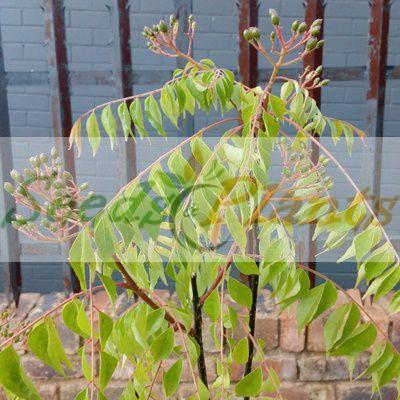
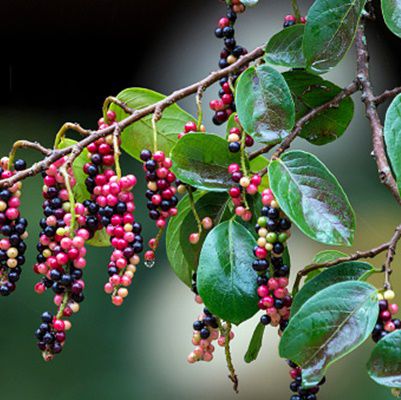
Tasselberry (Antidesma venosum) is an evergreen to semi-deciduous shrub or small tree with a dense, rounded crown, flowers in long, thin catkins that attract insects and insect-eating birds. It is a very decorative tree that grows in height from 3m – 10m. It produces edible fruits and has medicinal uses. While some find the fruit to taste sweet and slightly acidic, others describe it as similar to mulberries. The fruit can be eaten fresh or used to make natural dyes.
Flowers are small and unpleasantly scented, but showy and distinctive. Male and Female flowers are found on separate trees, so more than 1 tree is needed for fruiting to take place. Male flowers are produced in long, thin catkins which are found at the ends of newly grown twigs. Female flowers are produced in thin but shorter catkins at the ends of twigs. Flowering time is in early summer.
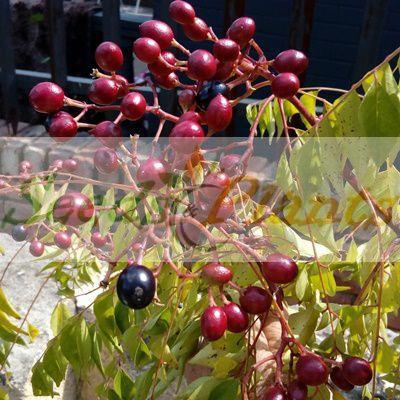
Fruits are very small, almost oval, ±10 mm in length and 8 mm in diameter, with a soft exocarp and fleshy, edible mesocarp. The fruits are green at first, and individually ripen to white, bright-red or purplish-black, often resulting in a multi-colored tassel. Fruiting time is in late summer to autumn.
Common names: Tasselberry (Eng.), Voëlsitboom, Tosselbessie (Afr.); isiBangamlotha, Isiqutwane, Umhlabahlungulu, Umhlalanyoni (isiZulu); modulane (Northern Sotho), Kgôbê-tsabadisana, Moingwe, Segagama (Setswana), Mufhala-khwali (Tshivenda), Umtyongi (isiXhosa)
Tasselberry Medicinal Benefits:
It is used in treating various ailments, including digestive issues, respiratory problems, skin infections, and even snakebites.
Growing Tasselberry:
Indoor Sowing: Spring.
Direct Sowing: Spring.
- Seeds should be sown in seedling trays filled with a mixture of river sand and compost.
- The seeds should be covered with a thin layer of mixture (sand and compost) and kept moist in a warm place.
- Germination in about 20 days, but may take longer.
- The seedlings should be transplanted into nursery bags with sandy soil and compost when reaching the 3-leaf stage.
- Prefers a sunny location and well-draining soil.
- Since it is frost tender, young trees should be sheltered against extreme cold.
- Once established, it can withstand mild cold and short periods of light drought.
Related products
Royal Crown French Lavender – 50 Seeds
(Lavandula Dentata var. Royal Crown)