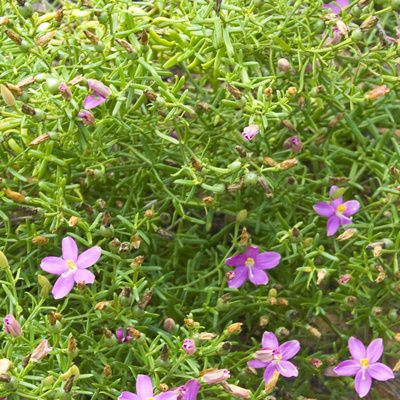
Christmas Berry -10 Seeds
(Chironia baccifera)
R30.00
Christmas Berry is a well known medicinal plant in South Africa. It was originally used by the Khoi and adopted by the early European settlers.
Common names: Christmas berry (Eng.); aambeibossie, bitterbossie (Afr.)
Indoor Sowing: Spring
Direct Sowing: Not Recommended
Out of Stock
Email me when the product is back in stock.
🌿 Herbal Quick Facts
Medicinal Info
- 🌿 Medicinal Part: Berry, Leaf, Root, Stem
- 🥣 Herbal Preparation: Decoction, Extract / Tincture, Infusion / Tea, Inhalation, Paste, Poultice, Powder
- ⚕️ Healing System: African Traditional Medicine
Growth Traits
- 🌱 Life Cycle: Perennial
- 🦋 Pollinator Method: Attracts Carpenter Bees
- 🪴 Growth Habit: Bushy, Fast Growing, Rounded
- 🌿 Foliage Type: Deciduous
- 🌸 Flower Color: Pink
Growing Requirements
- 🌞 Sun Exposure: Full Sun, Partial Shade
- 💧 Water Needs: Avoid Overwatering, Low Water
- ☀️ Growing Conditions: Drought Tolerant, Frost Sensitive, Heat Tolerant, Not Cold Tolerant
- 🟤 Soil Preference: Compost Enriched, Light, Sandy, Well-Drained
Christmas Berry (Chironia baccifera) is species of Chironia native to South Africa. This is a fast-growing, rounded shrub with woody stems only at the base, which grows to an average height of 50cm, but can reach 1m. It is a short lived perennial and plants need to be replaced after 2-3 years.
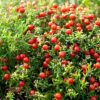
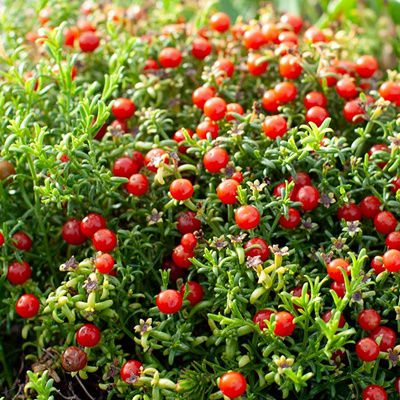
The leaves are small, narrow and dark green. It has starry, bright pink flowers, followed by red berries. It flowers in Summer and the red berries ripen at Christmas, hence the common name. It is a well known medicinal plant in South Africa. It was originally used by the Khoi and adopted by the early European settlers.
Common names: Christmas berry (Eng.); aambeibossie, bitterbossie (Afr.)
Christmas Berry Medicinal Uses
- One of the main uses is as a purgative.
- To treat a range of ailments including haemorrhoids (piles), stomach ulcers, syphilis, leprosy, diabetes and kidney and bladder infections.
- It is also used as a bitter tonic and to expel a retained placenta after childbirth.
- Used as a blood purifier for skin conditions such as acne and boils.
CAUTION: It is said to be toxic to small stock, and eating 250g of dry material is enough to kill a sheep
Growing Christmas Berry
Indoor Sowing: Spring
Direct Sowing: Not Recommended
- Fill a container with moist seedling mix.
- Seeds are very tiny and should be surface sown.
- Cover the seeds with a very thin layer of soil.
- Keep the soil consistently moist but not waterlogged.
- Maintain a consistent room temperature.
- Germination in about 1 – 4 weeks.
- Transplant the seedlings once big enough.
- It can be planted in full sun or partial shade.
- Plant in light, well-drained, composted soil and keep soil moist throughout the year.
Related products
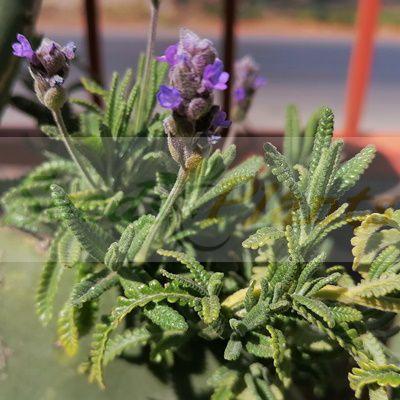
Royal Crown French Lavender – 50 Seeds
(Lavandula Dentata var. Royal Crown)