Pea Eggplant – 5 Seeds
(Solanum torvum)
R50.00
Pea Eggplant belongs to the nightshade family. It is highly valued as a hardy vegetable, a traditional medicinal herb, and a robust grafting rootstock for other nightshade crops.
Common Names: Turkey berry or Turkeyberry, Pea eggplant, Wild eggplant, or Thai eggplant, Devil’s fig, Susumber or Gully-bean, Prickly solanum.
Indoor Sowing: Late Winter & Early Spring.
Direct Sowing: Not Recommended.
In stock
🌿 Herbal Quick Facts
Uses
- ⓘ Plant Use: Culinary, Horticultural (Rootstock), Medicinal
Medicinal Info
- 🌿 Medicinal Part: Fruit, Leaf, Root
- 🥣 Herbal Preparation: Decoction, Extract / Tincture, Infused Oil, Poultice, Powder
- ⚕️ Healing System: Ayurvedic System of Medicine, Chinese Traditional Medicine, Siddha System of Medicine, South American Traditional Medicine
Culinary Info
- 🍽️ Culinary Use: Curries, Sauces, Soups and Stews
- 🥗 Edible Part: Berry, Leaf, Shoots
- 😋 Flavor Profile: Bitter, Pungent
Growth Traits
- 🌱 Life Cycle: Perennial
- 🌾 Plant Type: Shrub
- 🔁 Fruiting Needs: Needs Only 1 Plant
- 🦋 Pollinator Method: Attracts Bees, Self-pollinating
- 🪴 Growth Habit: Bushy, Upright
- 🌿 Foliage Type: Evergreen
- 🌸 Flower Color: White
Growing Requirements
- 🌞 Sun Exposure: Full Sun
- 💧 Water Needs: Avoid Overwatering, Regular Water
- ☀️ Growing Conditions: Drought Tolerant, Heat Tolerant, Low Frost Tolerance, Moderate Cold Tolerance
- 🟤 Soil Preference: Loam, pH 5.5–7.5, Rich Organic, Tolerant of most soils, Well-Drained
Pea Eggplant (Solanum torvum) is a fast-growing, highly resilient erect, bushy, semi-woody shrub or small tree growing 2 to 5 meters tall. It belongs to the nightshade (Solanaceae) family. It is highly valued as a hardy vegetable, a traditional medicinal herb, and a robust grafting rootstock for other nightshade crops.
Common Names: Turkey berry or Turkeyberry, Pea eggplant, Wild eggplant, or Thai eggplant, Devil’s fig, Susumber or Gully-bean, Prickly solanum.
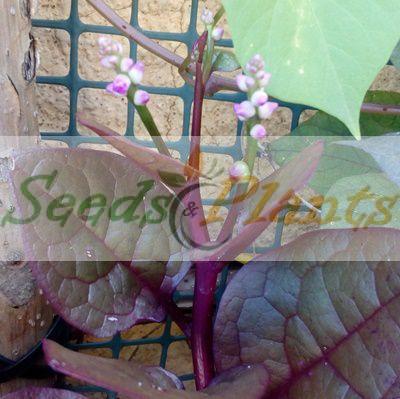
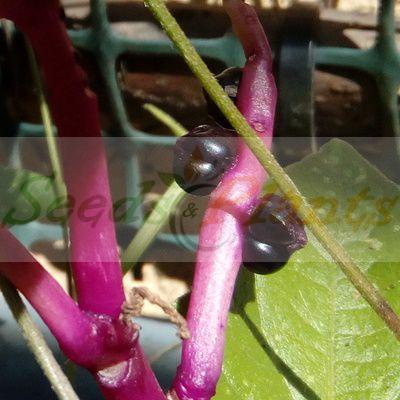
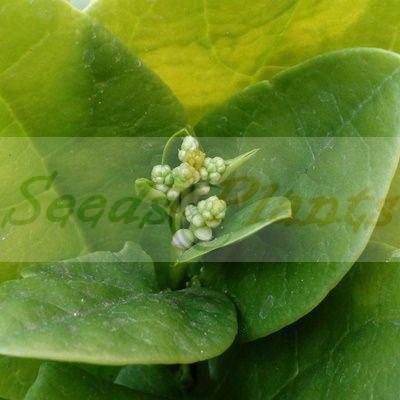
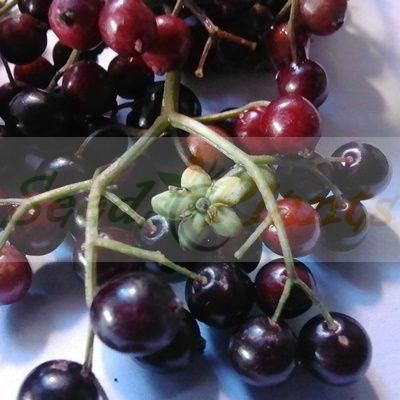
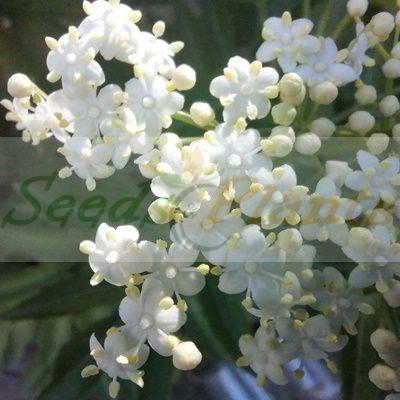
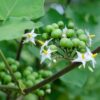
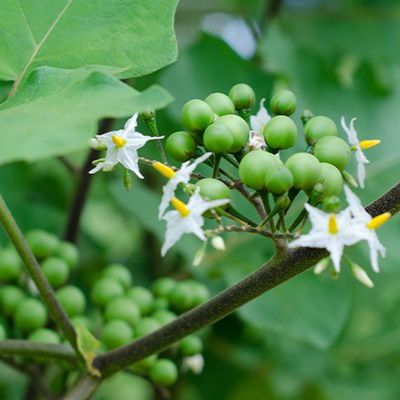
It behaves as a short-lived perennial in its ideal tropical climate. In colder, temperate zones, it is restricted by winter weather and is often grown as an annual or overwintered indoors. It produces clusters of self-fertile, 5-lobed white flowers with yellow centers year-round. These mature into tight clusters of small, green, spherical berries (1–1.5 cm wide) that turn dull yellow or orange when fully ripe.
Pea Eggplant Uses
- Culinary: The immature, bitter green berries are widely harvested and used as a vegetable, raw or cooked. Young shoots and leaves are also eaten cooked in certain regional starving/drought traditions.They are a staple ingredient in Thai curries (such as green curry), Jamaican soups, and various Indian and West African side dishes. The bitterness becomes a savory depth when cooked into heavy sauces, stews, or curries.
- Horticultural (Rootstock): Because of its incredibly tough root system, S. torvum is widely used globally as a disease-resistant rootstock for grafting eggplants (brinjals) and tomatoes. It protects the scions against devastating soil-borne issues like bacterial wilt, root-knot nematodes, and fusarium wilt.
- Medicinal: In ethnobotanical systems, parts of the plant are used to alleviate gastric pain, chronic coughs, toothaches, and inflammation.
Note: Like many Solanaceae plants, it contains pharmacologically active alkaloids that pose an ingestion risk if improperly prepared.
Growing Pea Eggplant
Indoor Sowing: Late Winter & Early Spring.
Direct Sowing: Not Recommended.
- Direct Sowing is not recommended in temperate or seasonal climates because pea eggplant grows slowly and direct seeding will delay fruit production too late into the season.
- Soak the seeds in clean water for 24 hours.
- Use a sterile, well-draining seed-starting mix (combining peat, perlite, or fine compost).
- Press seeds lightly onto the surface or scatter them onto the soil surface and cover them with a very thin layer (about 1–5 mm) of soil, because Solanum torvum benefits from light exposure during germination.
- Keep the seed tray warm (ideally 24°C to 32°C) and consistently moist using a humidity dome or gentle misting.
- Shoots and seedlings typically emerge in about 30 days.
- Remove the plastic cover once germination occurs.
- When seedlings develop about 3 to 6 true leaves, transplant them individually into individual containers or out into a sunny garden spot spaced about 80–100 cm apart.
- Gradually transition them to direct sunlight, or use them as hardy rootstock for grafting brinjal (eggplant) once they reach about 90 days old.
Related products