Dune Soapberry – 5 Seeds
(Deinbollia oblongifolia)
R30.00
It is a hardy, evergreen to semi-deciduous shrub that has culinary, medicinal uses and is used as a soap substitute.
Common names: dune soapberry (Eng.); duineseepbessie (Afr.); iqinisamasimu, igolo-lenkawu, iphengulula, umuthi-wezithutha, maqinisa, intisamasimu (Zul.); umasibele, umbangabanga (Xho.); antiyisamasimu (Tho.)
Indoor Sowing: Spring
Direct Sowing: Spring
In stock
🌿 Shrub Quick Facts
Shrub Info
- 🌍 Origin / Region: South Africa
- 🌳 Shrub Features: Flowering, Fruiting (Edible)
- 🌿 Foliage Type: Evergreen, Semi-Deciduous
- 📏 Mature Height: 1-1.5m
- 🌸 Flower Color: Cream, White
- ⓘ Plant Use: Culinary, Medicinal, Soap Substitute
Medicinal Info
- 🌿 Medicinal Part: Bark, Leaf, Root, Seed
- 🍵 Herbal Preparation: Decoction, Infusion / Tea, Powder
- ⚕️ Healing System: African Traditional Medicine
Culinary Info
- 🍽️ Culinary Use: Cooked greens, Raw Eating
- 🥗 Edible Part: Fruit, Leaf
- 😋 Flavor Profile: Pineapple-like, Sweet
Growth Traits
- 🌱 Life Cycle: Perennial
- 🌾 Plant Type: Shrub, Tree
- 🪴 Growth Habit: Multi-stemmed, Rounded, Upright
Growing Requirements
- 🌞 Sun Exposure: Partial Shade, Shade
- 💧 Water Needs: Moderate Water
- ☀️ Growing Conditions: Drought Tolerant, Frost Tolerant, Heat Tolerant, Moderate Cold Tolerance
- 🟤 Soil Preference: Compost Enriched, Fertile, Loam, Sandy, Well-Drained
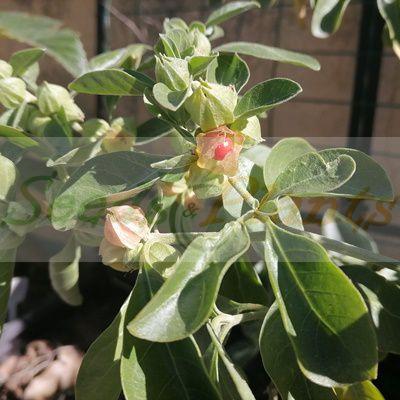
Dune Soapberry (Deinbollia oblongifolia) is a hardy, evergreen to semi-deciduous shrub or small tree that usually grows 1.5 to 5 meters in height, but can sometimes reach up to 9 m. It is often multi-stemmed and is drought and shade-tolerant with a non-aggressive root system. Suitable for shade, containers, and as a formal or informal screening plant. Attracts beneficial insects to the garden and acts as a host plant for the larvae of several butterfly species. The plant has culinary, medicinal uses and is used as a soap substitute.
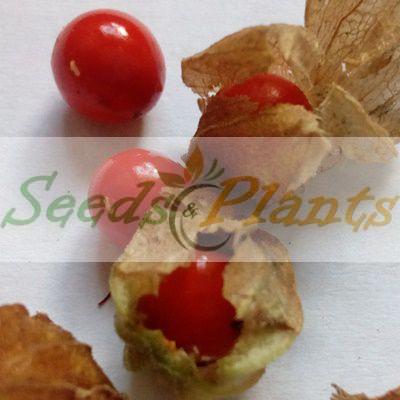
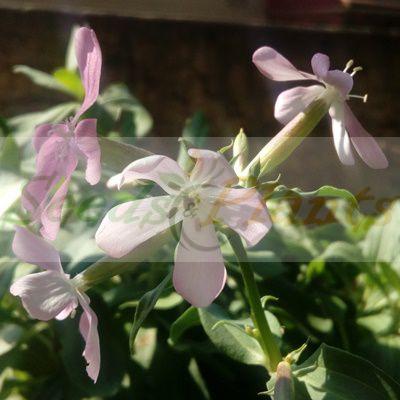
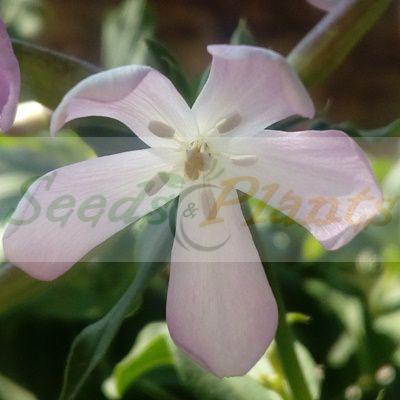
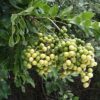
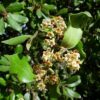
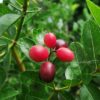
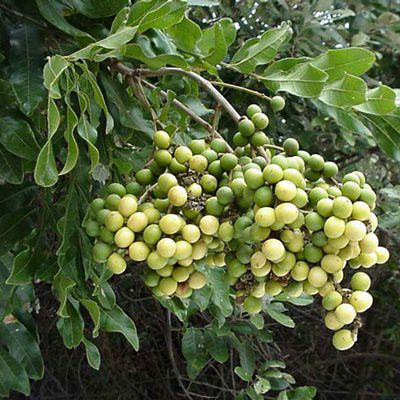
It has large, compound leaves with leaflets that are dark green, shiny, and crowded at the ends of branches. New growth can be lighter green. Small, white to cream-colored flowers are produced in large, dense, velvety, pyramid-shaped panicles at the tips of branches. Fleshy, round, berry-like fruit (approx. 10 mm in diameter) that are green and velvety when young, turning pale yellow to yellow-orange when ripe.
Common names: dune soapberry (Eng.); duineseepbessie (Afr.); iqinisamasimu, igolo-lenkawu, iphengulula, umuthi-wezithutha, maqinisa, intisamasimu (Zul.); umasibele, umbangabanga (Xho.); antiyisamasimu (Tho.)
Traditional Uses:
- Soap: The seeds, when mixed with water, create a lather used as a soap substitute.
- Food: The leaves are sometimes eaten as spinach, and the fruit is considered palatable to humans.
- Medicine: A root infusion is traditionally used to treat diarrhea and dysentery, while powdered bark is used to treat headaches.
Growing Dune Soapberry
Indoor Sowing: Spring
Direct Sowing: Spring
- Use a well-drained, sandy mix with fine compost.
- Lightly press seeds into the soil and cover with about 10-15 mm of the medium.
- Water thoroughly once, then keep the soil just slightly moist.
- Warm, humid conditions promote quick and reliable germination.
- Move seedlings to individual pots filled with rich, well-drained potting mix, once they’re strong enough to handle.
- Pinch the tips of young plants to encourage a more bushy growth habit.
Can this plant be grown as a shrub or a tree?
Dune Soapberry can be maintained as a shrub with pruning, or allowed to grow into a small tree depending on growing conditions.
Can this plant be used for culinary purposes?
Dune Soapberry is traditionally used for culinary purposes such as cooked greens and raw eating.
Does this plant have medicinal uses?
Traditionally, Dune Soapberry has a history of use in African Traditional Medicine. Seeds are sold for cultivation purposes only.
Disclaimer
Medicinal Information:
All medicinal information on this website is for educational and informational purposes only and may not be construed as medical advice. The information is not intended to replace medical advice or treatment offered by healthcare professionals.
Seeds, Plants, Plant Cuttings, Geophytes and Dried Herbs:
In some countries and provinces, certain plants are deemed as invasive and are not allowed to be planted at all, whilst some plants are allowed to be grown only in certain areas or provinces. The onus is on you as the buyer to familiarize yourself with the regulations pertaining to your location, before purchasing any of our seeds, plants, plant cuttings, geophytes or dried herbs. We will not be held liable, should you purchase any seeds, plants, plant cuttings, geophytes or dried herbs. from us which are prohibited in your country or province.
Related products