Carob Tree – 5 Seeds
(Ceratonia siliqua)
R30.00
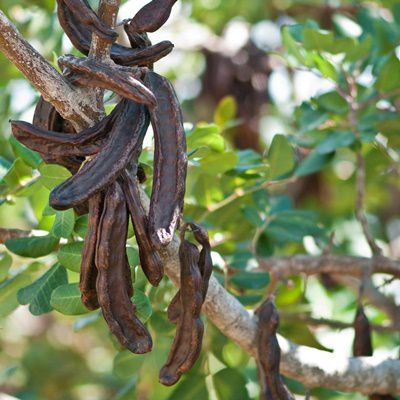
The Carob tree’s edible pods are filled with a saccharine pulp and used as a chocolate substitute in cakes and drinks.
Common Names: Carob Tree, Locust bean or St John’s Bread.
Indoor Sowing: Spring and Early Summer.
Direct Sowing: Spring and Summer.
In stock
🌳 Tree Quick Facts
Tree Info
- 🌍 Origin / Region: Mediterranean, Middle East
- 🌲 Tree Features: Flowering, Fruiting (Edible)
- 🌿 Foliage Type: Evergreen
- 📏 Mature Height: 8-15m
- 🌸 Flower Color: Greenish-Red, Yellow
- ⓘ Plant Use: Culinary, Fodder, Industrial Applications, Medicinal, Timber
Medicinal Info
- 🌿 Medicinal Part: Bark, Leaf, Pods
- 🍵 Herbal Preparation: Decoction, Infusion / Tea, Powder, Syrup
- ⚕️ Healing System: African Traditional Medicine, European Traditional Medicine
Culinary Info
- 🍽️ Culinary Use: Baking, Cocoa/Chocolate Substitute, Coffee Substitute, Liqueurs/Wines, Raw Eating, Syrup/Molasses
- 🥗 Edible Part: Pod Pulp, Seed
- 😋 Flavor Profile: Chocolate-like, Nutty, Sweet
Growth Traits
- 🌱 Life Cycle: Perennial
- 🌾 Plant Type: Tree
- 🔁 Fruiting Needs: Needs Male & Female Plants
- 🪴 Growth Habit: Dense
Growing Requirements
- 🌞 Sun Exposure: Full Sun
- 💧 Water Needs: Low Water, Water Deeply
- ☀️ Growing Conditions: Cold Tolerant, Drought Tolerant, Frost Tolerant, Heat Tolerant
- 🟤 Soil Preference: pH 6.2-8.6, Sandy loam, Tolerant of most soils, Well-Drained
The carob tree (Ceratonia siliqua) also known as locust bean or St John’s Bread, is a small to medium evergreen leguminous tree with glossy leathery leaves. The tree is dioecious and it is pollinated by wasps and flies.
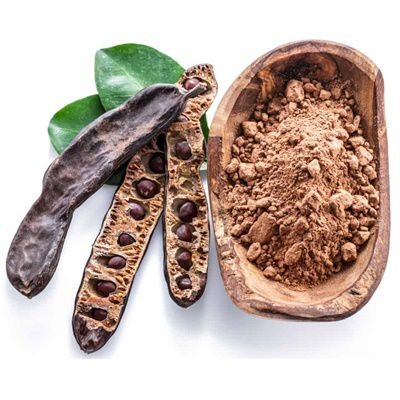
The tree’s edible pods are filled with a saccharine pulp and used as a chocolate substitute in cakes and drinks. They are rich in sugars and protein and can be eaten both green or dried. The seedpods are also used to make a flour that is free from sugar and starch. Roasted seed is used as a coffee substitute.
Culinary Uses
- Cocoa/Chocolate Substitute: Carob powder is used in cakes, cookies, and beverages. Because it is naturally sweet and low in fat, it is often preferred over cocoa, especially for health reasons as it contains no caffeine or theobromine.
- Coffee Substitute: pods and seeds, when roasted and ground, serve as a caffeine-free, naturally sweet, and slightly chocolatey coffee substitute.
- Carob Syrup/Molasses: Used in Egypt, the Levant, and Turkey, the pods are boiled to make a sweet, dark syrup (e.g.debs el kharrub in Lebanon).
- Snacking: The pods can be eaten directly off the tree.
- Thickener: Locust bean gum (from the seeds) is used in the food industry to stabilize ice cream, sauces, salad dressings, and processed meats.
- Beverages: Used in traditional drinks in the Mediterranean, such as pasteli in Cyprus or carob liqueur.
Edible Parts
- Pods (Pulp): The primary edible part is the fleshy pulp within the leathery seed pods (roughly 90% of the pod’s weight). Ripe pods are sweet and can be eaten fresh, dried, or roasted.
- Seeds: The small, hard seeds are used to produce locust bean gum (also called carob gum or E410), a common thickening agent.
- Leaves/Flowers: While less common, the leaves are used as livestock fodder, and the flowers can be used for honey production.
Medicinal Benefits
- Used in the treatment of diarrhea (due to its tannins), coughs, and as a dietary supplement.
- Leaves and fruit are commonly prepared as teas to treat diarrhea.
Other Uses
- Animal Feed: The pulp is a high-energy feed for cattle, pigs, goats, and horses.
- Industrial Applications: Carob gum is used in adhesives, cosmetics (e.g., face packs), pharmaceuticals, paints, textiles, and for tanning leather.
- Landscaping & Forestry: It is a popular ornamental tree used for shade and for its resistance to fire, acting as a natural fire barrier.
- Wood: The wood is hard and durable, used in carpentry, turnery, and for producing high-quality charcoal.
Growing Carob Tree
Indoor Sowing: Spring and Early Summer.
Direct Sowing: Spring and Summer.
- It prefers a full Sun position, planted in fast-draining soil. Can grow in nutritionally poor soil and is drought tolerant.
- The tree develops a long tap root, so it is best to plant the seeds in deep containers.
- Scarify the seed coat and then place the seeds in warm water for 24 hours.
- Fill a deep container with a good quality, fast-draining potting mix.
- Sow the seeds 50mm deep.
- Place the container in a well lit, warm area until germination.
- Keep the soil moist, but not overly wet.
- Germination in about 40 days at a soil temperature of 22-26°C.
- Transplant the seedlings to the garden or a larger pot once they are about 8-10cm tall.
- Can be grown in large containers that provide room for root expansion.
Can this plant be used for culinary purposes?
Carob Tree is traditionally used for culinary purposes such as baking and cocoa/chocolate substitute.
Does this plant have medicinal uses?
Traditionally, Carob Tree has a history of use in various healing systems, including African Traditional Medicine and European Traditional Medicine. Seeds are sold for cultivation purposes only.
Disclaimer
Medicinal Information:
All medicinal information on this website is for educational and informational purposes only and may not be construed as medical advice. The information is not intended to replace medical advice or treatment offered by healthcare professionals.
Seeds, Plants, Plant Cuttings, Geophytes and Dried Herbs:
In some countries and provinces, certain plants are deemed as invasive and are not allowed to be planted at all, whilst some plants are allowed to be grown only in certain areas or provinces. The onus is on you as the buyer to familiarize yourself with the regulations pertaining to your location, before purchasing any of our seeds, plants, plant cuttings, geophytes or dried herbs. We will not be held liable, should you purchase any seeds, plants, plant cuttings, geophytes or dried herbs. from us which are prohibited in your country or province.
Related products