Common Calpurnia – 10 Seeds
(Calpurnia aurea)
R30.00
It is an ideal small tree for a small suburban garden and can be grown successfully in large containers. The plant has medicinal uses.
Common names: common calpurnia, calpurnia, wild laburnum, Natal laburnum, Cape laburnum (E); geelkeurboom, geelkeur, Natalse geelkeur (A); inDloli, umSitshana (X); umKhiphampethu, inSiphane-enkulu, umHlahlambedu, umLalandlovana (Z).
Indoor Sowing: Spring.
Direct Sowing: Spring and Early Summer.
In stock
🌳 Tree Quick Facts
Tree Info
- 🌲 Tree Features: Flowering
- 🌿 Foliage Type: Evergreen
- 📏 Mature Height: 2–4m
- 🌸 Flower Color: Yellow
Medicinal Info
- 🌿 Medicinal Part: Bark, Leaf, Root, Seed
- 🥣 Herbal Preparation: Decoction, Extract / Tincture, Infusion / Tea, Juice, Ointments/Creams, Paste
- ⚕️ Healing System: African Traditional Medicine
Growth Traits
- 🌾 Plant Type: Shrub, Tree
- 🪴 Growth Habit: Upright
Growing Requirements
- 🌞 Sun Exposure: Full Sun, Partial Shade
- 💧 Water Needs: Avoid Overwatering, Moderate Water
- ☀️ Growing Conditions: Drought Tolerant
- 🟤 Soil Preference: Fertile, Loam, Rich Organic, Sandy, Well-Drained
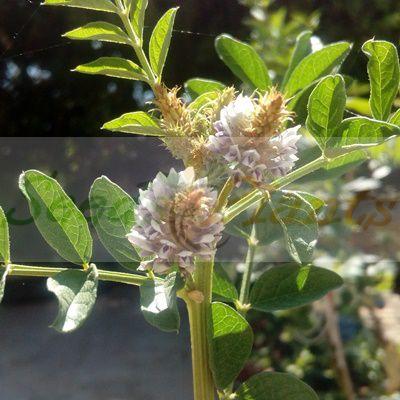
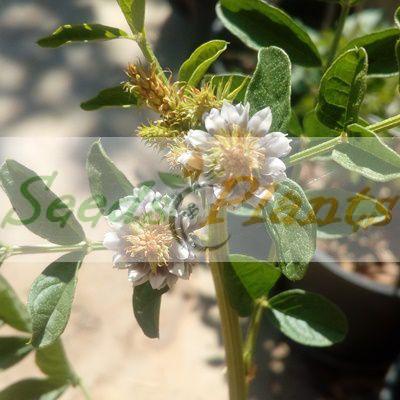
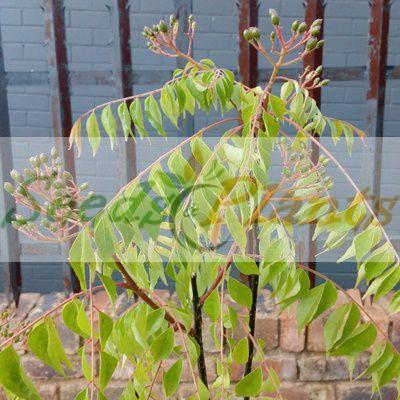
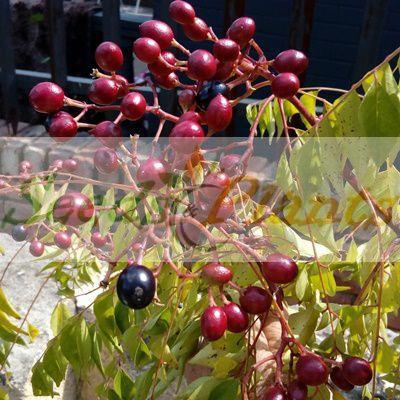
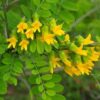
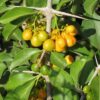
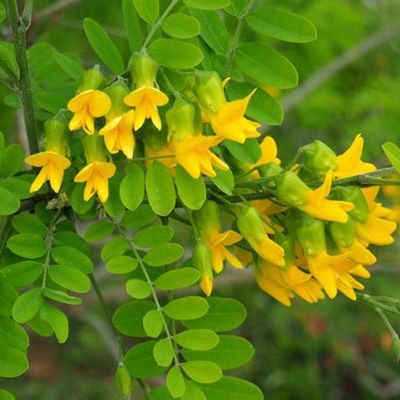
Common Calpurnia (Calpurnia aurea) is a multi-stemmed shrub or a small graceful slender evergreen tree 2 – 4 m tall with a light, open crown. The flowers are bright yellow, each about 2.5 cm long, in showy hanging bunches of 8 to 30 flowers. They appear irregularly throughout the year. The fruit is a thin pod drying light brown with a papery texture, 5-12 cm long and 0.8-1.9 cm wide, narrowly winged on one side, and containing up to 8 brownish seeds. It is an ideal small tree for a small suburban garden and can be grown successfully in large containers. The tree also has medicinal uses.
Common names: common calpurnia, calpurnia, wild laburnum, Natal laburnum, Cape laburnum (E); geelkeurboom, geelkeur, Natalse geelkeur (A); inDloli, umSitshana (X); umKhiphampethu, inSiphane-enkulu, umHlahlambedu, umLalandlovana (Z)
Common Calpurnia Medicinal Uses
- In South Africa, calpurnia leaves and powdered roots are used to destroy lice and to relieve itches.
- The leaves are used to treat allergic rashes, particularly those caused by caterpillars.
- In East Africa, leaf sap is used to destroy maggots in wounds.
- In Nigeria, the seeds are used to treat abscesses.
- In Ethiopia it is used to treat stomach complaints, headache, eye diseases, amoebic dysentery, scabies and as an insecticide.
Growing Common Calpurnia
Indoor Sowing: Spring.
Direct Sowing: Spring and Early Summer.
- It grows best in fertile, well-drained soil with plenty of water in summer, but is tolerant of summer drought and should withstand a climate with a winter minimum of -5 °C.
- Grow it in sun or semi-shade. Planted in full sun it will produce more flowers.
- Sow seed in spring or early summer. Soak the seeds in warm water for 24 hours before planting in a good potting mix.
- Germination takes about 10-14 days.
- Transplant after the first pair of true leaves have developed.
- Protect young plants from frost.
- Prune lightly after flowering.
Related products
Royal Crown French Lavender – 50 Seeds
(Lavandula Dentata var. Royal Crown)