Vates Collards – 20 Seeds
(Brassica oleracea var. acephala)
R30.00
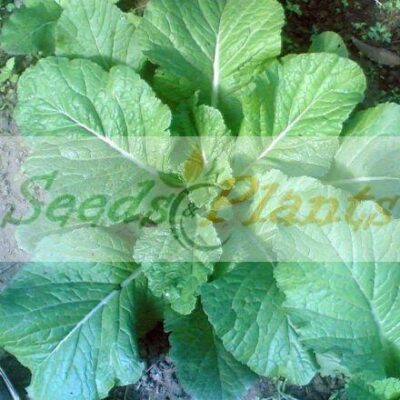
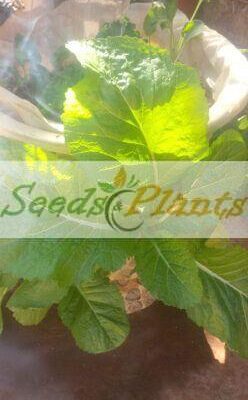
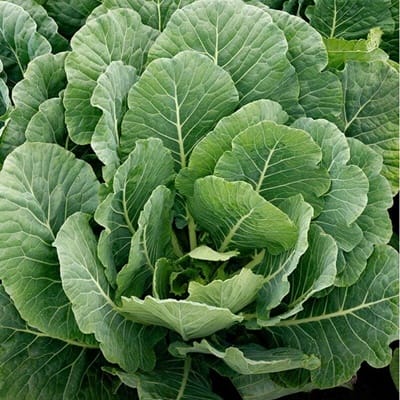
The leaves are a large, slick, crumpled, dark blue-green and tasty with a mild cabbage like flavor, ideal for boiling, canning and freezing.
Indoor Sowing: Late Winter and Early Spring.
Direct Sowing: Late Summer.
Out of Stock
Email me when the product is back in stock.
🥕 Vegetable Quick Facts
Growth Traits
- 🌱 Life Cycle: Perennial
Vates Collards is a heirloom Collard variety. It is also known as Blue Stem and is tolerant of both hot and cold temperatures and frost makes the leaves taste sweeter. This variety has a compact growth habit and is non-heading and very slow to bolt, known for its lack of purpling. Developed by the Virginia Truck Experiment Station, ‘Vates’ was introduced in 1950.
The leaves are a large, slick, crumpled, dark blue-green and tasty with a mild cabbage like flavor, ideal for boiling, canning and freezing. It is typically used for boiling for Southern-style greens. Collard greens tend to store better than most other greens.
Growing Vates Collards
Indoor Sowing: Late Winter and Early Spring.
Direct Sowing: Late Summer.
- Start seeds in individual pots or flats.
- Sow seed 6-13 cm deep in the seed-starting mix.
- Keep the mix moist but not wet.
- Seed should germinate in 5 to 10 days at an optimal temperature of 24°C.
- Transplant seedlings into the garden when they 10-15 cm tall with 2- to 4-leaves and daytime temperatures reach 10°C. Firm transplants into the soil by hand.
- Prefers a soil pH range of 6.0 to 7.5.
- Set transplants slightly deeper than they grew in pots or flats.
- Grow collards in full sun for best yield—tolerates partial shade.
- Add 3- to 4- inches of compost and well-aged manure into planting bed, before transplanting. Collards need friable, moisture-holding soil.
- Avoid planting where cabbage family crops have grown recently.
- Space plants 45-50 cm apart in all directions.
- Space rows 60-106 cm apart.
- Protect seedlings from the cold for 2 to 3 weeks after planting covering them with a cloche or plastic tunnel or cold frame.
- Fertilize with an organic fertilizer such as fish emulsion at half strength.
Related products