
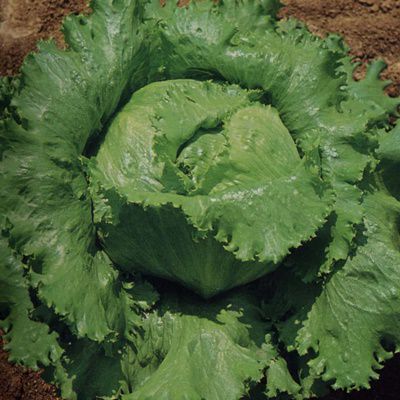
Great Lakes Lettuce – 200 Seeds
(Lactuca sativa ‘Great Lakes’)
R30.00
This iceberg lettuce variety is very crisp and slow to bolt in hot weather.
Indoor Sowing: Early Spring and Autumn.
Direct Sowing: Early Spring and Autumn.
In stock
🥕 Vegetable Quick Facts
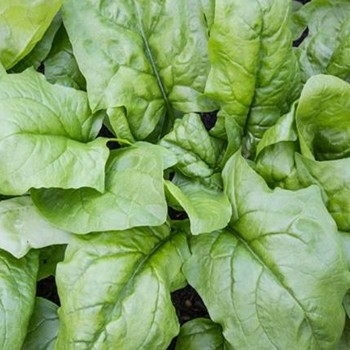
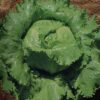
Great Lakes Lettuce produces medium to large heads with bright green leaves. It is a very crisp variety and slow to bolt in hot weather. An All-America Selections winner in 1944, this first true iceberg lettuce remains a favorite for both home gardens and restaurants alike. It tolerates light frost, is heat and cold tolerant and has a strong resistance to bolting and tip burn. This variety is perfect for adding to salads, sandwiches and burgers and has a good shelf life when refrigerated.
Growing Great Lakes Lettuce
Indoor Sowing: Early Spring and Autumn.
Direct Sowing: Early Spring and Autumn.
- Sow the lettuce seeds in early spring or in autumn when the temperatures have started to cool after the heat of summer. In greenhouses, lettuce can be planted throughout the year.
- Surface sow the seeds and barely cover with a thin layer of soil, as lettuce seeds need light to germinate, so don’t cover them too deeply.
- Keep soil moist until germination.
- Optimal soil temperature for germination is between 8°C and 20°C.
- When plants have two or three true leaves, thin to 30cm spacing for crisphead varieties and 15 – 25cm for other types.
- Lettuce has a shallow root system. Keep soil moist to keep plants growing continuously. Mulch to retain moisture and suppress weeds.
- Lettuce is tolerant of a wide range of soils, but prefers well-drained, cool, loose soil with plentiful moisture and pH 6.2 to 6.8.
- The four main types of lettuce have different growth and maturity stages and times.
Iceberg lettuce: 10 to 12 weeks from planting to maturity.
Butter lettuce: Six to 10 weeks.
Romaine lettuce: 10 to 12 weeks.
Loose leaf lettuce: Can be cropped continuously for extended harvest periods from about five to six weeks onward.
Related products