Venda Mustard – 100 Seeds
(Brassica spp.)
R30.00
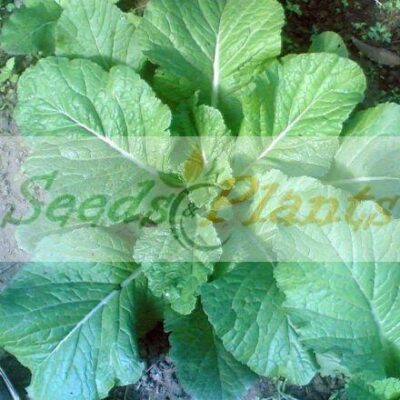
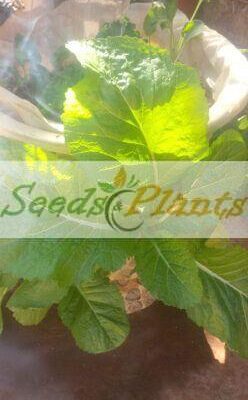
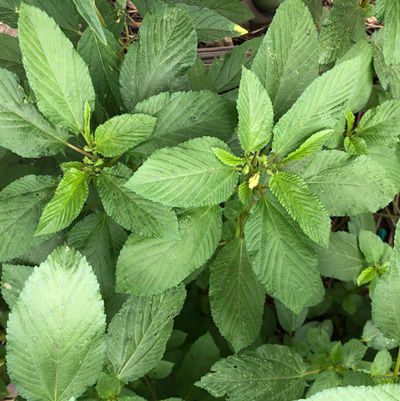
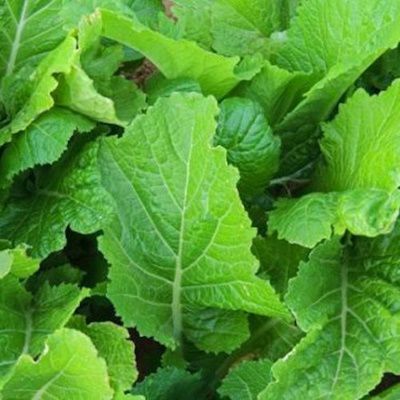
This Mustard Green is also known as also known as M’shai or Mutshaina. It has a strong flavor and meaty texture.
Sowing Time: Spring, Summer and early Autumn.
Seed Type: Heirloom.
Out of Stock
Email me when the product is back in stock.
🥕 Vegetable Quick Facts
Vegetable Info
- 🍽️ Culinary Use: Condiments, Raw Eating, Salads, Stir-frying
- 🥗 Edible Part: Flower, Leaf, Seed, Stem
- 😋 Flavor Profile: Peppery, Pungent
- ⓘ Plant Use: Bio-fumigant, Culinary
Growth Traits
- 🌱 Life Cycle: Annual
- 🌾 Plant Type: Herbaceous Annual
- 🪴 Growth Habit: Rosette-forming, Upright
Growing Requirements
- 🌞 Sun Exposure: Full Sun, Partial Shade
- 💧 Water Needs: Regular Water
- ☀️ Growing Conditions: Cold Tolerant, Cool Weather, Frost Tolerant, Low Heat Tolerance, Not Drought Tolerant
- 🟤 Soil Preference: Fertile, Loam, pH 6.0–7.5, Rich Organic, Well-Drained
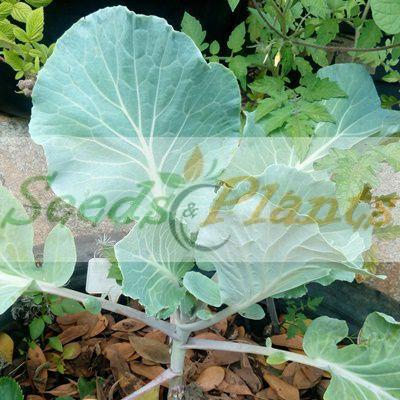
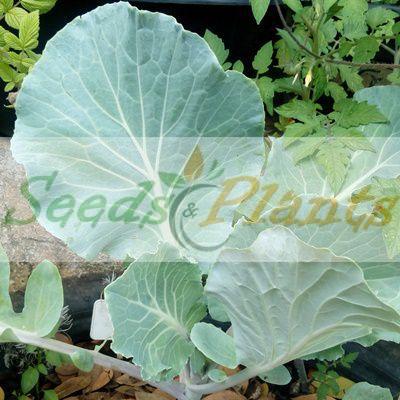
Venda Mustard (Brassica spp.) is also known as M’shai or Mutshaina. This is a heirloom large leaf mustard, similar to Florida broadleaf mustard, that is grown by the Venda people for generations. It is known for its strong flavor and meaty texture. It can be grown as a Summer or winter crop. The leaves tend to be larger in winter. This plant will hybridize with other Brassica, so plant it away from cabbage and other mustard varieties, if you want to save the seeds of this mustard plant. Can be eaten boiled with feta, or pan fried with tomato and onion and used as relish/side dish.
Garden and Soil Benefits:
- Bio-Fumigation: These varieties release natural isothiocyanates when chopped, which help suppress soil-borne diseases and nematodes.
- Scavenger Roots: They excel at “catching” leftover nitrogen from previous crops before it leaches away.
Edible Parts:
One of the best things about mustard greens is that almost the entire plant is edible at various stages:
- Leaves: The most common edible part; used from microgreen stage to full maturity.
- Stems: Crunchy and edible, though they can become fibrous in older plants.
- Flowers: Entirely edible and make a beautiful garnish.
- Seeds: Used whole, ground into powder, or pressed for oil.
- Roots: In specific “tuberous” varieties (like Horn Mustard), the root is the primary crop.
Culinary Uses:
Because the flavor is so bold, it is used in a variety of ways across global cuisines.
- Raw: Young “baby” leaves add a peppery bite to salads or sandwiches.
- Sautéed/Braised: Classic in Southern US cuisine; slow-simmered with smoked meats to mellow the bitterness.
- Stir-Frying: Popular in Chinese and Japanese cooking; often paired with garlic, ginger, and soy sauce.
- Pickling: In Himalayan and East Asian cultures, the leaves and stems are fermented (e.g., Gundruk or Zha cai).
- Condiments: Powdered seeds are used in condiments.
Growing Venda Mustard
- Mustard Seeds can be sown in the early spring for a summer crop and in mid-summer for a autumn-winter crop.
- In the spring, plant as soon as the ground can be worked.
- Rows should be 18 inches apart.
- When seedlings are 2 inches high, thin, leaving 12 inches between plants.
- Can be successfully grown in containers as well.
Can this plant be used for culinary purposes?
Venda Mustard is traditionally used for culinary purposes such as condiments and raw eating.
Disclaimer
Medicinal Information:
All medicinal information on this website is for educational and informational purposes only and may not be construed as medical advice. The information is not intended to replace medical advice or treatment offered by healthcare professionals.
Seeds, Plants, Plant Cuttings, Geophytes and Dried Herbs:
In some countries and provinces, certain plants are deemed as invasive and are not allowed to be planted at all, whilst some plants are allowed to be grown only in certain areas or provinces. The onus is on you as the buyer to familiarize yourself with the regulations pertaining to your location, before purchasing any of our seeds, plants, plant cuttings, geophytes or dried herbs. We will not be held liable, should you purchase any seeds, plants, plant cuttings, geophytes or dried herbs. from us which are prohibited in your country or province.
Related products