Florida Broadleaf Mustard – 100 Seeds
(Brassica juncea)
R30.00
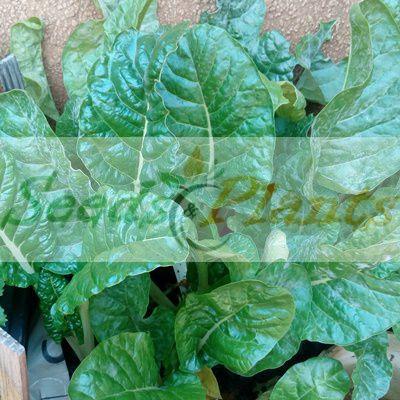
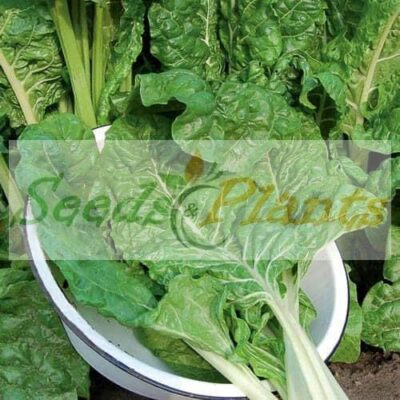
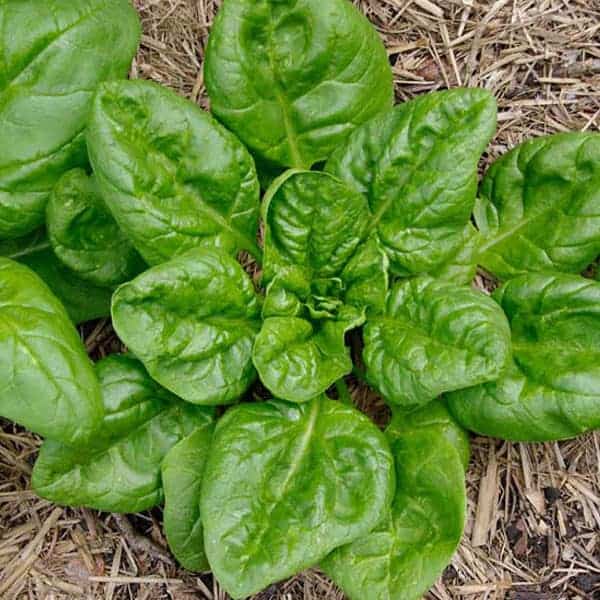
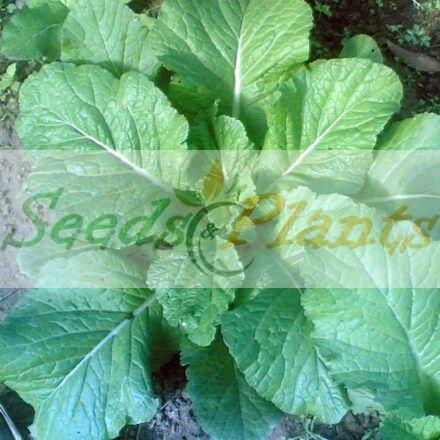
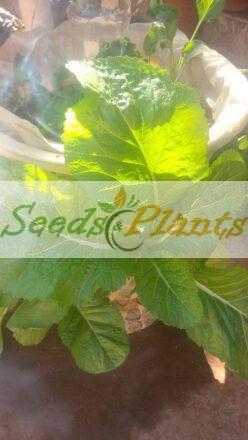
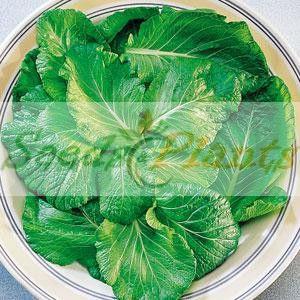
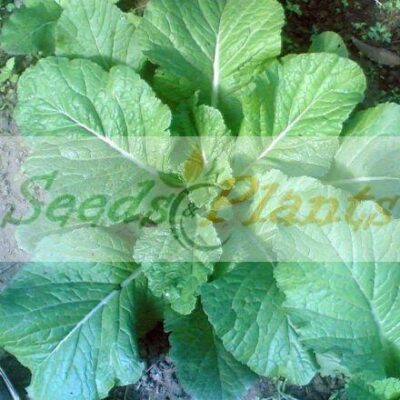
Florida Broadleaf Mustard (Brassica juncea) is an old favorite mustard prized for its large, fleshy, dark green leaves and mildly pungent flavor.
Indoor Sowing: Late Winter and Late Summer.
Direct Sowing: Early Spring and Early Autumn.
In stock
🥕 Vegetable Quick Facts
Uses
- ⓘ Plant Use: Bio-fumigant, Culinary
Vegetable Info
- 🥬 Vegetable Type: Leafy Green
- 🍽️ Culinary Use: Condiments, Raw Eating, Salads, Stir-frying
- 🥗 Edible Part: Flower, Leaf, Seed, Stem
- 😋 Flavor Profile: Mildly Pungent, Peppery
Growth Traits
- 🌱 Life Cycle: Annual
- 🌾 Plant Type: Herbaceous Annual
- 🪴 Growth Habit: Rosette-forming, Upright
Growing Requirements
- 🌞 Sun Exposure: Full Sun, Partial Shade
- 💧 Water Needs: Regular Water
- ☀️ Growing Conditions: Cold Tolerant, Cool Weather, Frost Tolerant, Low Heat Tolerance, Not Drought Tolerant
- 🟤 Soil Preference: Fertile, Loam, pH 6.0–7.5, Rich Organic, Well-Drained
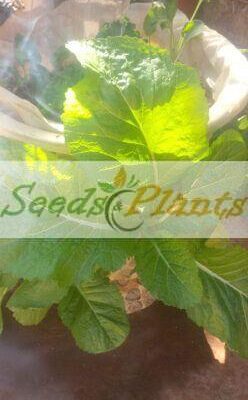
Florida Broadleaf Mustard (Brassica juncea) is an old favorite mustard prized for its large, fleshy, dark green leaves and mildly pungent flavor. Plants are 12-18 inches tall with an 8-12 inch leaf spread. Leaves may be harvested early as baby leaf mustard or allowed to reach full size for a larger harvest.
Garden and Soil Benefits:
- Bio-Fumigation: These varieties release natural isothiocyanates when chopped, which help suppress soil-borne diseases and nematodes.
- Scavenger Roots: They excel at “catching” leftover nitrogen from previous crops before it leaches away.
Edible Parts:
One of the best things about mustard greens is that almost the entire plant is edible at various stages:
- Leaves: The most common edible part; used from microgreen stage to full maturity.
- Stems: Crunchy and edible, though they can become fibrous in older plants.
- Flowers: Entirely edible and make a beautiful garnish.
- Seeds: Used whole, ground into powder, or pressed for oil.
- Roots: In specific “tuberous” varieties (like Horn Mustard), the root is the primary crop.
Culinary Uses:
Because the flavor is so bold, it is used in a variety of ways across global cuisines.
- Raw: Young “baby” leaves add a peppery bite to salads or sandwiches.
- Sautéed/Braised: Classic in Southern US cuisine; slow-simmered with smoked meats to mellow the bitterness.
- Stir-Frying: Popular in Chinese and Japanese cooking; often paired with garlic, ginger, and soy sauce.
- Pickling: In Himalayan and East Asian cultures, the leaves and stems are fermented (e.g., Gundruk or Zha cai).
- Condiments: Powdered seeds are used in condiments.
Growing Florida Broadleaf Mustard
Indoor Sowing: Late Winter and Late Summer.
Direct Sowing: Early Spring and Early Autumn.
- Mustard greens thrive in loose, well-draining soil that is rich in organic matter. Adding compost, vermiculite, and perlite can improve soil structure and drainage.
- They need at least 6 hours of sunlight daily.
- Sow the seeds on the soil surface and cover with a thin layer of soil. Keep the soil moist until seeds germinate.
- Once seedlings have a few sets of true leaves, thin them to about 10 – 20cm apart.
- Can be successfully grown in containers as well.
Related products