

Red Tamarillo – 10 Seeds
(Solanum betaceum)
R30.00
Also known as Tree Tomato and it bears egg-shaped edible fruit. The Seeds on offer here is for the red, almost purple variety of Tamarillo.
Seed Type: Organic – Harvested from our own plants.
Indoor Sowing: Spring.
Direct Sowing: Early Spring.
Out of Stock
Email me when the product is back in stock.
🍒 Fruit Quick Facts
Fruit Info
- 🍽️ Culinary Use: Chutneys, Curries, Desserts, Jams and Jellies, Juices and Syrups, Pies and tarts, Raw Eating, Sauces
- 🥗 Edible Part: Fruit pulp, Seed
- 😋 Flavor Profile: Sweet-tart
Growth Traits
- 🌱 Life Cycle: Perennial
- 🌾 Plant Type: Tree
- 🔁 Fruiting Needs: Needs Only 1 Plant
- 🪴 Growth Habit: Upright
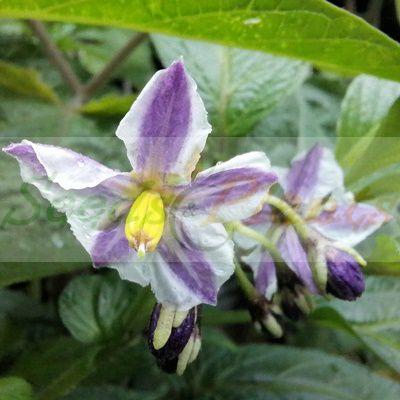
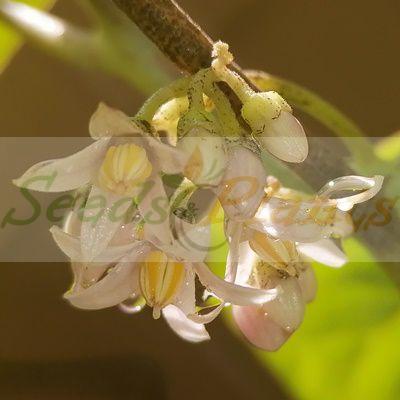
- 🌸 Flower Color: Pink-white
- 🌿 Foliage Type: Deciduous
- 📏 Mature Height: 3- 5.5m
- 🦋 Pollinator Method: Attracts Bees, Self-pollinating, Wind
Growing Requirements
- 🌞 Sun Exposure: Full Sun
- 💧 Water Needs: Avoid Overwatering, High Water
- ☀️ Growing Conditions: Frost Sensitive, Moderate Heat Tolerance, Not Cold Tolerant, Not Drought Tolerant, Wind Sensitive
- 🟤 Soil Preference: Compost Enriched, Fertile, Light, Rich Organic, Well-Drained
Red Tamarillo Seeds. The tamarillo is a small tree or shrub in the flowering plant family Solanaceae. It is best known as the species that bears the tamarillo, an egg-shaped edible fruit. It is also known as the tree tomato.
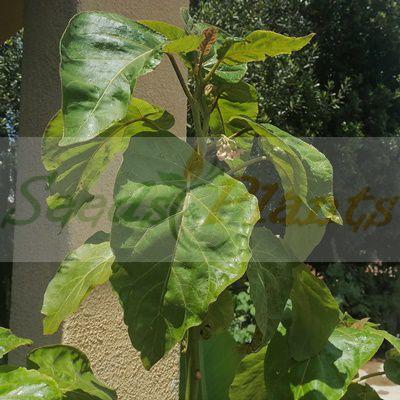
The plant is a fast-growing tree that grows up to 5 meters. Peak production is reached after 4 years, and the life expectancy is about 12 years. The tree usually forms a single upright trunk with lateral branches. The flowers and fruits hang from the lateral branches. The large leaves are green, simple and perennial, and have a strong pungent smell.
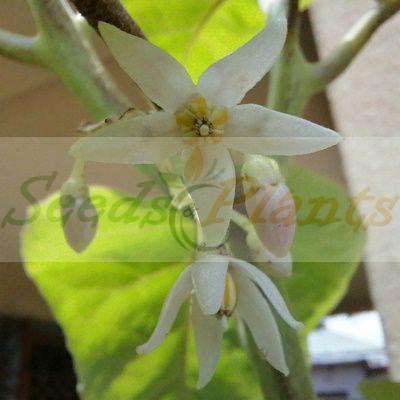
The flowers are pink-white, and form clusters of 10 to 50 flowers. They produce 1 to 6 fruits per cluster. Plants can set fruit without cross-pollination, but the flowers are fragrant and attract insects.
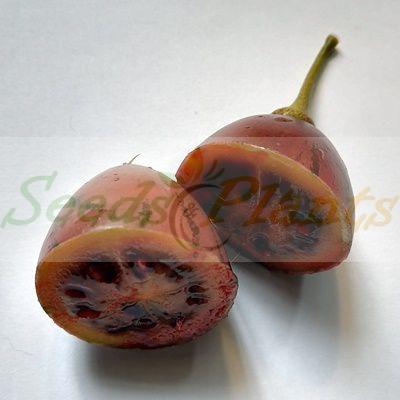
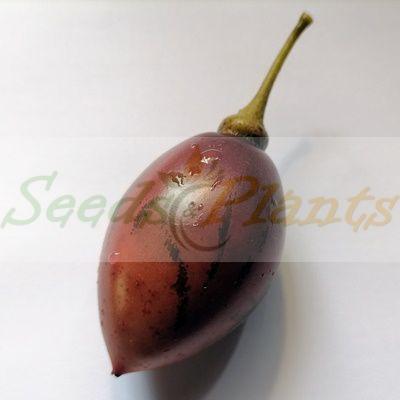
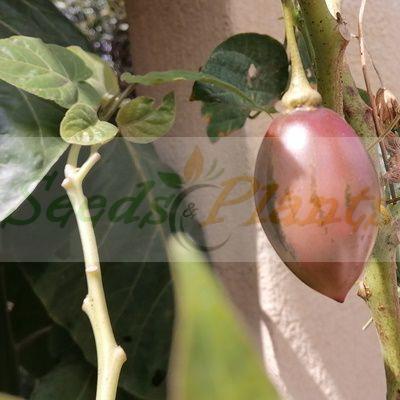
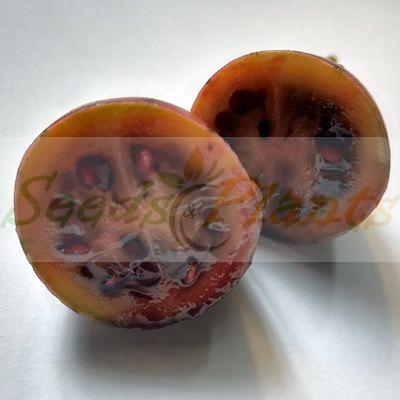
The fruits are egg-shaped and about 4-10 centimeters long. They have dark, longitudinal stripes on the fruit, before maturing. The flesh has a firm texture and contains more and larger seeds than a common tomato.The fruits are very high in vitamins and iron and low in calories. The flesh of the fruit is tangy and variably sweet, with a bold and complex flavor, and may be compared to kiwifruit, tomato, guava, or passion fruit.
Tamarillo Culinary Uses
- The flesh of the tamarillo can be eaten fresh or made into a range of sweet and savoury dishes and condiments.
- Tamarillos are tangy and usually sweet, with a bold and complex flavour.
- The fruit can be stewed to use on cereal or as a pie or crumble filling, added to stews and casseroles or made into a delicious chutney, which is especially good with chillies.
Growing Red Tamarillo
Indoor Sowing: Spring.
Direct Sowing: Early Spring.
- Surface sow the seeds and cover with a thin layer of soil.
- Keep soil moist, but not overly wet.
- Optimal germination temperature is 18-28°C.
- When the seedlings are about 5cm tall, carefully transplant into 7-10cm pots.
- Once the seedlings have grown to around 20cm tall, transplant again into a larger pot.
- It should remain in this pot until the plant is strong enough to be planted in the garden and when there is no risk of frost.
- The roots are shallow and not very pronounced, therefore the plant is not tolerant of drought stress and can be damaged by strong winds.
- It can be successfully grown in containers.
- It must be planted in a warm, sunny and sheltered site.
- The roots absolutely hate wet feet, so the soil should be very free-draining.
Related products