Echinacea angustifolia – 10 Seeds
(Pink Narrow Leaf Coneflower)
R30.00
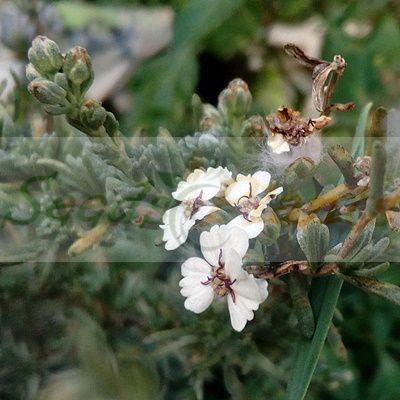
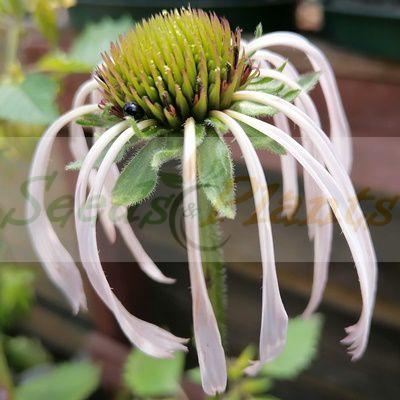
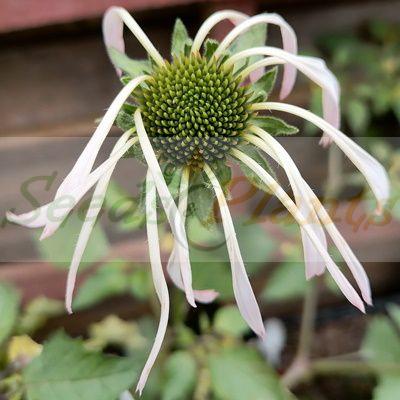
Copper-orange central cones surrounded by arching petals in light pink and occasionally white.
Common Names: Narrow Leaf Coneflower.
Seed Type: Organic – Harvested from our own plants.
Indoor Sowing: Spring – Cold Stratification and then plant the seeds.
Direct Sowing: Autumn and Winter.
Out of Stock
Email me when the product is back in stock.
🌿 Herbal Quick Facts
Medicinal Info
- 🌿 Medicinal Part: Flower, Leaf, Root, Stem
- 🍵 Herbal Preparation: Decoction, Extract / Tincture, Infusion / Tea, Juice, Ointments/Creams, Poultice, Syrup
- ⚕️ Healing System: American Traditional Medicine
Growth Traits
- 🌱 Life Cycle: Perennial
- 🦋 Pollinator Method: Attracts Bees, Attracts Birds, Attracts Butterflies
- 🪴 Growth Habit: Clumping, Upright
- 🌸 Flower Color: Pale Pink
Growing Requirements
- 🌞 Sun Exposure: Full Sun
- 💧 Water Needs: Moderate Water, Water Deeply
- ☀️ Growing Conditions: Drought Tolerant, Frost Tolerant, Heat Tolerant
- 🟤 Soil Preference: Compost Enriched, Tolerant of most soils, Well-Drained
Echinacea angustifolia Seeds.
Common Name: Narrow Leaf Coneflower
Echinacea angustifolia is also known as Narrow Leaf Coneflower. It is a native meadow perennial found growing in dry prairies and barrens with rocky to sandy-clay soils in central Canada and the USA. It has daisy-like blossoms on a single tall stalk in early summer. It bears copper-orange central cones surrounded by arching, ray petals in light pink and occasionally white.
Echinacea angustifolia Medicinal Benefits
- In indigenous medicine of the native American Indians, the plant was used externally for wounds, burns, and insect bites, chewing of roots for toothache and throat infections; internal application was used for viral infections, pain, cough, stomach cramps, and snake bites.
- Nowadays the plant is important to the pharmaceutical trade, as it is purported that all parts of the purple coneflower stimulate the immune system.
- Several studies suggest that certain varieties of echinacea, including E. pallida, E. angustifolia, and E. purpurea, are particularly effective at fighting viral infections like influenza.
- Notably, E. purpurea is thought to have immune-boosting effects as well, making it particularly useful for treating viral infections.
Growing Echinacea angustifolia
Indoor Sowing: Spring – Cold Stratification and then plant the seeds.
Direct Sowing: Autumn and Winter
- Echinacea Seeds need a cold period or cold stratification, for germination to take place.
- The easiest method is to sow them outdoors in autumn, either in the ground or winter sowing them in pots outdoors. The seeds will then germinate the following Spring.
- If you are going to start seed indoors in Spring, then you must first cold stratify the seeds for 8 to 10 weeks in the refrigerator.
- After the cold stratification period, plant the seeds.
- The plant is fairly drought tolerant once established, but you will need to water your plants throughout the summer if you receive less than an inch of rain each week.
- As native prairie plants, they thrive in hot, dry climates and do not do as well in very humid climates or in rainy areas where the soil stays wet.
- Flower production takes place in the second year of growth..
- Once your plant is at least three years old, you can begin harvesting some of the roots for medicinal purposes.
Related products