African Medlar – 5 Seeds
(Vangueria infausta)
R30.00
The fruit is edible and has a pleasant sweet-sour, mealy taste. It tastes like an apple. This plant has medicinal value as well.
Common names: wild medlar (Eng.); wilde mispel (Afr.); mpfilwa (Tsonga & Shangaan); mmilo (Northern Sotho); muzwilu, mavelo (Venda); umviyo, umtulwa (Zulu); umvilo (Xhosa); umbizo, umviyo (Ndebele); mmilo, mothwany (Tswana); umvile, amantulwane (Swati).
Indoor Sowing: Late Winter / Early Spring.
Direct Sowing: Spring.
Out of Stock
Email me when the product is back in stock.
🍒 Fruit Quick Facts
Fruit Info
- 🥗 Edible Part: Fruit
- 😋 Flavor Profile: Sweet and Sour
Medicinal Info
- 🌿 Medicinal Part: Leaf, Root
- 🥣 Herbal Preparation: Decoction, Infusion / Tea
Growth Traits
- 🌱 Life Cycle: Perennial
- 🔁 Fruiting Needs: Needs Only 1 Plant
- 🪴 Growth Habit: Tree
- 🌸 Flower Color: Greenish-white, Pale Green
- 📏 Mature Height: 4–7.6m
- 🦋 Pollinator Method: Attracts Bees, Attracts Butterflies
Growing Requirements
- 🌞 Sun Exposure: Full Sun, Partial Shade
- 💧 Water Needs: Moderate Water, Water Deeply
- ☀️ Growing Conditions: Cold Tolerant, Drought Tolerant
- 🟤 Soil Preference: Clay, Loam, Sandy, Well-Drained
African Medlar (Vangueria infausta), is a species of plant in the family Rubiaceae. Growing to a height of between 3 to 5m, it is deciduous, drought resistant and fairly cold resistant.
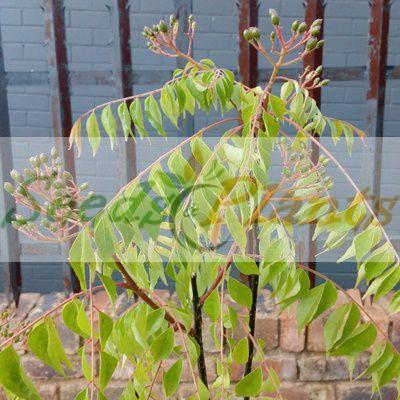
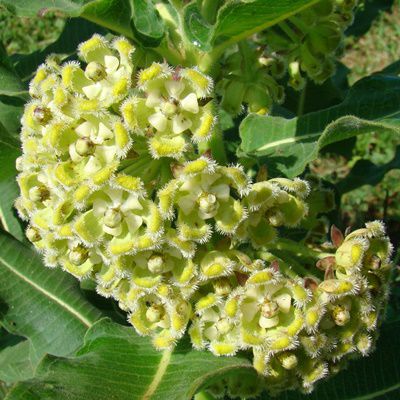
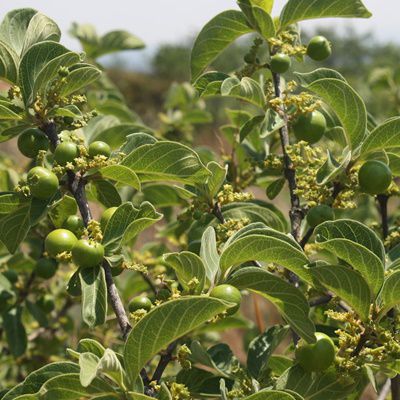
The velvety leaves have prominent veins on the under-surface. Clusters of small, greenish-white, sweetly-scented flowers are borne in Spring, usually before the leaves appear.
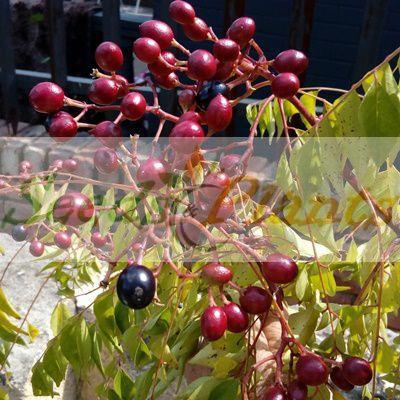
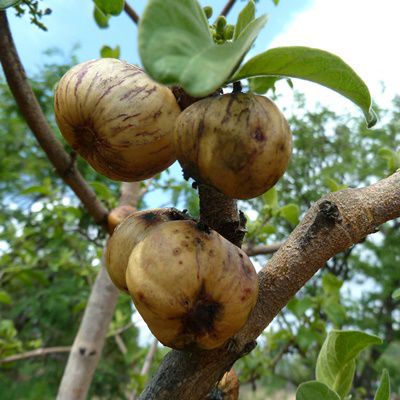
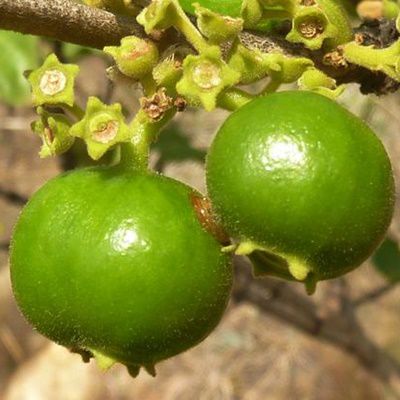
The fruit is almost round, glossy dark green when young and changing to a light brown when ripe. The ripe fruit is soft and fleshy with a leathery skin that encloses 3-5 seeds embedded in soft pulp. The fruit is edible and has a pleasant sweet-sour, mealy taste. It tastes like an apple.
While it is considered an important indigenous fruit in South Africa and is native to several of its provinces, its distribution extends across Southern and East Africa, including countries like Botswana, Kenya, Malawi, Mozambique, Namibia, Tanzania, Uganda, and Zimbabwe.
Common names: wild medlar (Eng.); wilde mispel (Afr.); mpfilwa (Tsonga & Shangaan); mmilo (Northern Sotho); muzwilu, mavelo (Venda); umviyo, umtulwa (Zulu); umvilo (Xhosa); umbizo, umviyo (Ndebele); mmilo, mothwany (Tswana); umvile, amantulwane (Swati).
Culinary Uses
- The fruit is mostly eaten raw but in some parts it is stored as dried fruit to be used in time of food scarcity.
- It is said that mampoer, a strong alcoholic drink or brandy can be distilled from it or fermented to make beer.
- If mixed with a little water and sugar it produces an acceptable substitute for apple sauce.
- The fruit juice can also be used for flavoring purposes by squeezing it out in water, discarding the seed and skins. This is done often for flavoring porridge.
Medicinal Benefits
- Treatment of malaria and, chest ailments such as pneumonia.
- As a purgative and to treat ringworm.
- It is used for the relief of toothache and also for the treatment of swelling of limbs.
Growing African Medlar
Indoor Sowing: Late Winter / Early Spring.
Direct Sowing: Spring.
- Medlar’s are self-fertile, meaning only one tree is needed to produce fruit.
- Will grow in almost any type of soil, as long as it is well drained and can be planted in semi-shade or full sun.
- Sow in early spring.
- Soak seeds overnight and plant the next morning in seedling trays filled with river sand and cover with a thin layer of sand.
- Place the trays in a dark, cool spot and keep the soil moist.
- Germination in about 5 weeks.
- Transplant the seedlings into nursery bags when they reach the 3-leaf stage.
- Keep the seedlings in nursery bags at least one year before transplanting them into the garden
Related products