Dyers Chamomile – 50 Seeds
(Anthemis tinctoria)
R30.00
Blossoms are used to create a bright, light-fast yellow dye and the plant also has medicinal uses. The plant is native to Europe, the Mediterranean and Western Asia.
Common Names: Golden Marguerite, Yellow chamomile, Oxeye chamomile, Boston daisy, and Paris daisy.
Seed Type: Organic – Harvested from our own plants.
Indoor Sowing: Late winter and Early Spring.
Direct Sowing: Late Spring and Early Summer.
In stock
🌿 Herbal Quick Facts
Medicinal Info
- 🌿 Medicinal Part: Flower, Leaf, Shoots
- 🥣 Herbal Preparation: Decoction, Essential Oil, Infusion / Tea
- ⚕️ Healing System: European Traditional Medicine
Growth Traits
- 🌱 Life Cycle: Biennial
- 🌾 Plant Type: Herb
- 🦋 Pollinator Method: Attracts Bees, Attracts Butterflies, Attracts Hoverflies, Attracts Ladybirds, Attracts Moths
- 🪴 Growth Habit: Bushy, Clumping
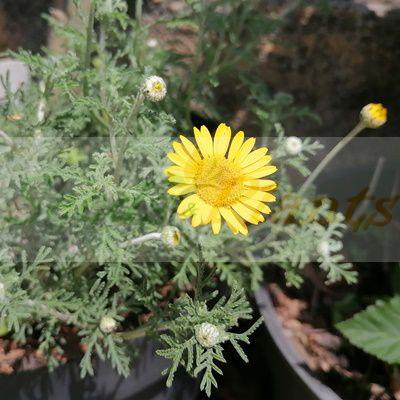
- 🌸 Flower Color: Yellow
Growing Requirements
- 🌞 Sun Exposure: Full Sun, Partial Shade
- 💧 Water Needs: Avoid Overwatering, Moderate Water, Water Deeply
- ☀️ Growing Conditions: Cold Tolerant, Frost Tolerant, Heat Tolerant, Moderately Drought Tolerant
- 🟤 Soil Preference: Loam, Loose, Moderately Fertile, Poor Soil Tolerant, Sandy, Well-Drained
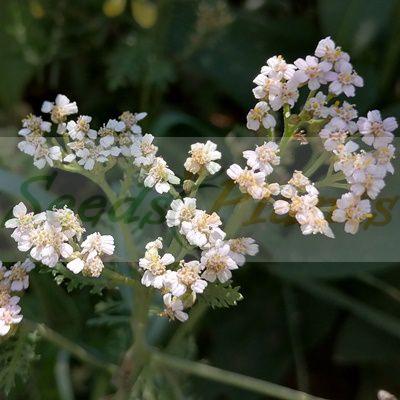
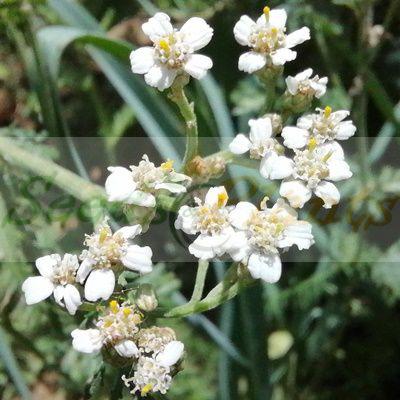
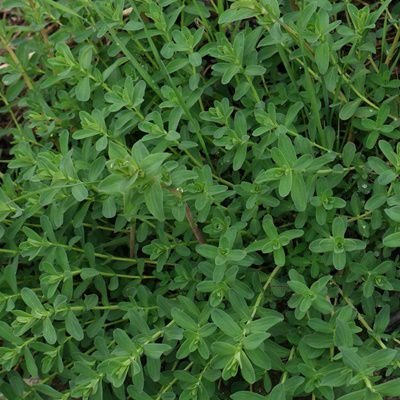
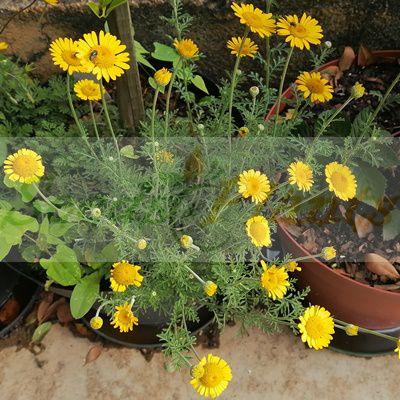
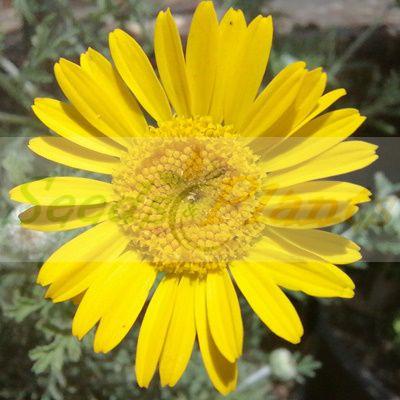
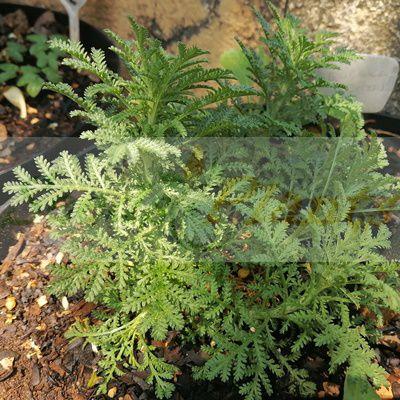
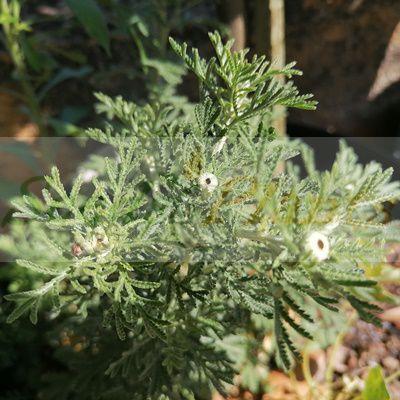
Dyers Chamomile (Cota tinctoria also known as Anthemis tinctoria) is a hardy but short-lived perennial, with an upright habit. fern-like leaves and bright yellow daisy-like flowers. Also known as golden marguerite, yellow chamomile, oxeye chamomile, Boston daisy, and Paris daisy. It belongs to Asteraceae family just like German Chamomile and Roman Chamomile, but it’s not the same species.
It is a short-lived perennial flowering plant in the sunflower family, often treated as a biennial. It is a bushy daisy-like plant with feathery leaves growing 1 to 2 feet high and developing large numbers of fragrant, yellow, long-lasting flowers. Blossoms are used to create a bright, light-fast yellow dye and the plant also has medicinal uses. The plant is native to Europe, the Mediterranean and Western Asia. In horticulture this plant is still widely referred to by its synonym Anthemis tinctoria.
Dyers Chamomile Medicinal Benefits
- The whole plant is antispasmodic, diaphoretic, emetic, emmenagogue and vesicant.
- It is used internally as a tea, which can be made either from the flowers or the whole plant.
- Applied externally, it is used as a poultice on piles and can also be applied to the bath water.
- The leaves are rubbed onto insect stings.
Growing Dyers Chamomile:
Indoor Sowing: Late winter and Early Spring.
Direct Sowing: Late Spring and Early Summer.
- Sprinkle the seeds across the top of the soil and cover very lightly with soil.
- The seeds need light to germinate.
- Water thoroughly until the soil is moist.
- Seeds need plenty of water to germinate, so mist the area daily.
- You need to be patient with chamomile because it takes 14-21 days to germinate.
- It prefers not too rich, organic soil.
- It does best with neutral pH (between 5.6 and 7.5).
- Regular water will keep the plants in bloom longer, but chamomile plants are very drought tolerant, once established.
- In extremely hot climates, chamomile will appreciate being kept watered and getting some afternoon shade.
Related products