Elegance French Lavender – 50 Seeds
(Lavandula dentata var. Elegans)
R30.00
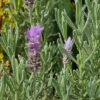
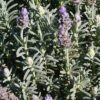
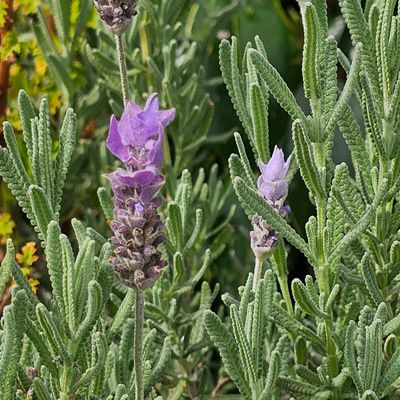
Elegance French Lavender (Lavandula dentata var. Elegans) is a bushy, evergreen shrub known for its dark green, toothed, fragrant leaves and vibrant dark purple flowers that bloom from spring to summer.
Indoor Sowing: Cold Stratification and then sow in Late Winter.
Direct Sowing: Late Autumn.
In stock
🌿 Herbal Quick Facts
Uses
- ⓘ Plant Use: Insect Repellent, Medicinal
Medicinal Info
- 🌿 Medicinal Part: Flower, Leaf, Stem
- 🥣 Herbal Preparation: Essential Oil, Extract / Tincture, Infusion / Tea
- ⚕️ Healing System: European Traditional Medicine
Growth Traits
- 🌱 Life Cycle: Perennial
- 🦋 Pollinator Method: Attracts Bees, Attracts Butterflies, Attracts Moths
- 🪴 Growth Habit: Bushy
- 🌿 Foliage Type: Evergreen
- 🌸 Flower Color: Deep Purple
Growing Requirements
- 🌞 Sun Exposure: Full Sun
- 💧 Water Needs: Avoid Overwatering, Low Water
- ☀️ Growing Conditions: Drought Tolerant, Heat Tolerant
- 🟤 Soil Preference: Chalky, Gravel, Loam, Poor Soil Tolerant, Well-Drained
Elegance French Lavender (Lavandula dentata var. Elegans) is a bushy, evergreen shrub known for its dark green, toothed, fragrant leaves and vibrant dark purple flowers that bloom from spring to summer. This variety reaches a mature size of approximately 80cm x 1.5m and is excellent for use as a cut flower, for potpourri, or for creating fragrant hedges. It thrives in full sun and well-draining soil, is attractive to pollinators like bees and butterflies, and is drought-tolerant once established.
French Lavender Medicinal Benefits
- Respiratory Support: Vapor from boiling leaves and flowers is used to treat colds, coughs, bronchitis, and asthma.
- Pain Relief: Used for rheumatism, muscle aches, headaches, and migraines.
- Digestive Health: Acts as a stomachic and aids in treating digestive problems, including colic, flatulence, and diarrhea.
- Dermatological/External: Used for skin ailments, wounds, burns, psoriasis, scabies, and eczema.
- Other: Used for insomnia, nervous exhaustion, and reducing fever.
- Antimicrobial: Studies indicate antimicrobial, antifungal, and anti-inflammatory properties.
Plant Part Usage:
- Flowers/Flower Tops: Used for infusions (tea) and infusions to aid sleep and calm the nervous system.
- Leaves/Leafy Stems: Used in decoctions for urinary system ailments, diabetes, and as a hair rinse for lice.
- Essential Oil: Used in aromatherapy to reduce stress and anxiety, and in creams for skin healing.
Other Uses:
- Repellent: Known to repel mosquitoes, flies, and moths.
- Culinary: Unlike English lavender, it is not typically used for cooking, but it can be used to add a slightly camphor-like flavor to savory dishes.
Growing Elegance French Lavender
Indoor Sowing: Cold Stratification and then sow in Late Winter.
Direct Sowing: Late Autumn.
- It can take one to three months for lavender seeds to germinate, so start early and be patient.
- For indoor sowing, first cold stratify the seeds for 30 days and then sow seeds in Late Winter.
- For direct sowing, sow the seeds in Late Autumn and germination will start taking place the following Spring.
- Use shallow seed trays and just barely cover the seeds with soil.
- Use a light soil or a vermiculite blend.
- Keep the seeds moist but not overly wet.
- A sunny spot is a great location to keep the soil from getting too wet and to add warmth.
- Your lavender seedlings will be ready to transplant once they have several leaves per plant.
- Your first year of growth will not be impressive, but by year two, expect to have large, blooming lavender.
- Prune lightly after flowering to maintain a compact shape.
- Plant 30cm apart for a hedge or border.
Related products