Spaghetti Squash – 10 Seeds
(Cucurbita pepo)
R30.00
The squash can be cooked in a variety of ways, including baking, boiling, steaming, or microwaving.
Seed Type: Organic – Harvested from our own plants.
Indoor Sowing: Not Recommended.
Direct Sowing: Late Spring and Early Summer.
Out of Stock
Email me when the product is back in stock.
🥕 Vegetable Quick Facts
Spaghetti squash is from the same family as zucchini and acorn squash, among others and is considered as a winter squash. It is native to Central America and Mexico.
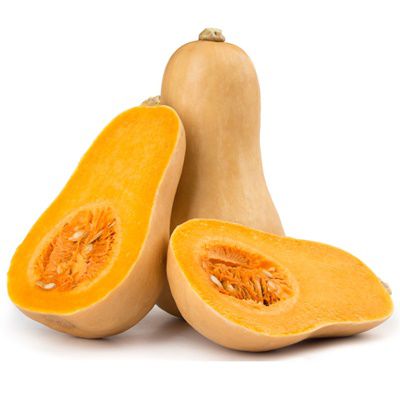
When raw, the flesh is solid and similar to other raw squash, but when cooked, the meat of the fruit falls away from the flesh in ribbons or strands that look like, and are often used as a healthier alternative to, spaghetti. The squash can be cooked in a variety of ways, including baking, boiling, steaming, or microwaving.
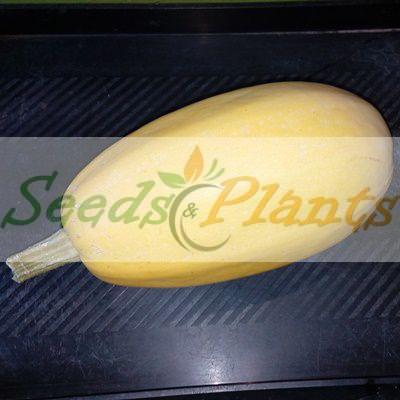
The skin of each oval-shaped squash is smooth, and at maturity, it ages to a soft yellow. The squash grows to about 20-23 cm in length.
Unlike other types of squash, spaghetti squash needs to be harvested when it is fully mature. Scrape your fingernail against the skin of the squash. If your fingernail punctures the squash skin, it needs more time to mature.
Growing Spaghetti Squash
Indoor Sowing: Not Recommended.
Direct Sowing: Late Spring and Early Summer.
- The seeds germinate best when the soil temperatures are around 18 °C.
- Winter Squash cultivation begins with a hill.
- Draw your garden soil into a hill of about 30 cm across and 8cm-10 cm in height. This allows the soil to heat around the seeds and roots.
- Your soil should be well amended and well fertilized since squash plants are heavy feeders.
- Plant 2 – 4 squash seeds per hill about 2 cm deep and a few cm apart.
- Keep the soil moist, but not soggy.
- The seeds germinate best when the soil temperatures are around 18 °C. In about 10 days, the seeds will sprout.
- When they’re about 5cm high, thin out the weakest leaving one plant per hill.
- The squash growing season is about 110-120 days for fruit maturation.
Related products
Clemson Spineless Okra – 20 Seeds
(Abelmoschus esculentus “Clemson Spineless”)