
Herb Comparisons, Plant Comparisons
Basil versus Holy Basil
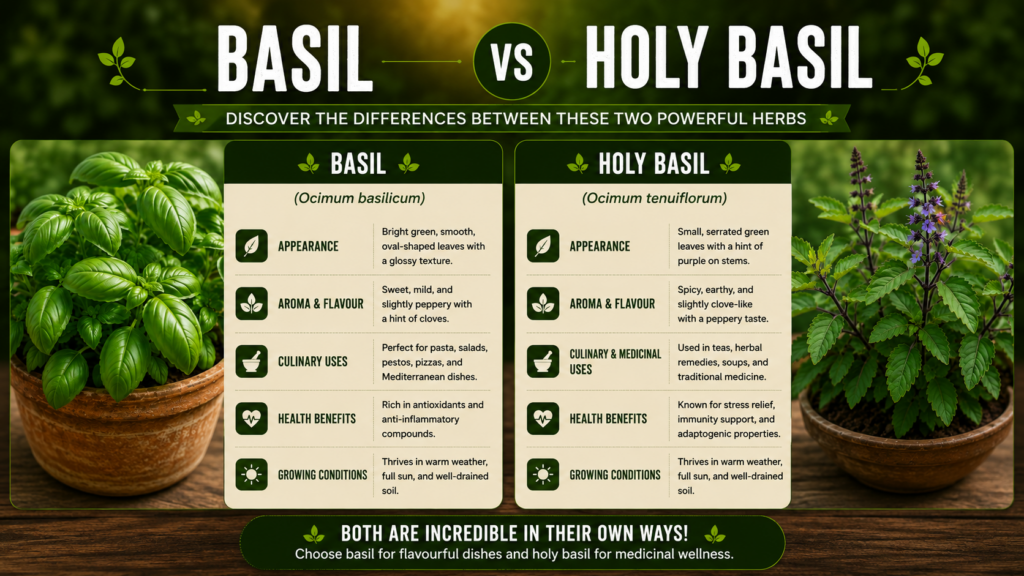
Basil versus Holy Basil – similarities and differences explained.
The similarities between Basil and Holy Basil:
- Both belong to the Lamiaceae (mint) family.
- Both have antibacterial, antiseptic, and anti-fungal qualities.
- Both are used for culinary purposes.
Basil Overview:
- Basil Scientific name is Ocimum Basilicum.
- It is a culinary herb mainly used as a flavoring agent in various types of dishes in the world.
- The leaves have a sweet aroma and flavors vary from aniseed, to lemon and more, depending on the Basil variety.
- It is an Annual herb.
- It grows between 30–130 cm tall, with opposite leaves which are smooth.
- The major components in basil include linalool, estragole (methyl chavicol), anethole, eugenol, and methyl eugenol..
Holy Basil overview
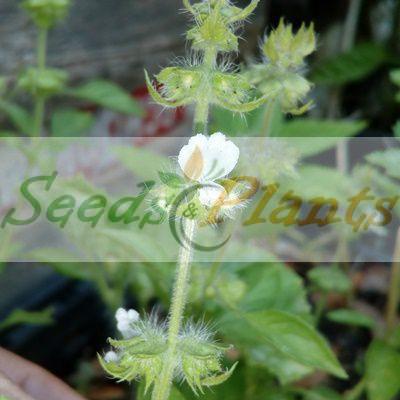
- Holy Basil Scientific name is Ocimum Tenuiflorum.
- Although used in Thai cuisine and Indian cuisine, it is considered sacred in Hinduism, and it’s mainly used in Ayurvedic medicine for its medicinal properties.
- The leaves have an almost medicinal aroma and the flavor is very strong, often described as a peppery or comparable to licorice and cloves.
- It is a Perennial herb.
- It is an erect, many-branched bush, growing between 30–60 cm tall, with opposite oval-shaped shaped leaves, which are covered in hairs and often have slightly serrated edges.
- The plant contains numerous active compounds and the major compounds are linalol, eugenol, methylchavicol, methylcinnamat, linolen, ocimene, pinene, cineol, anethol, estragol, thymol, citral, and camphor.
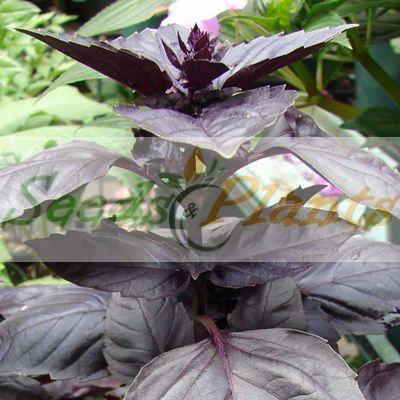
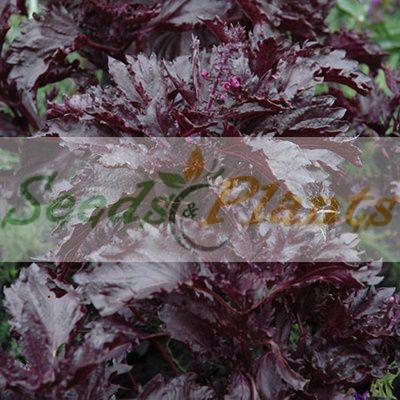
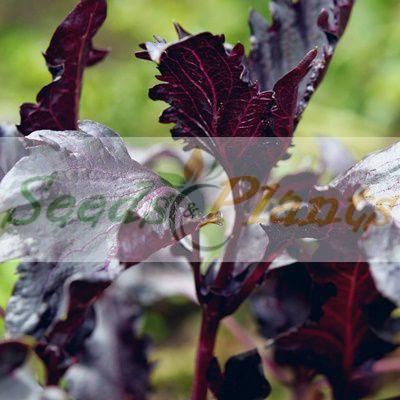
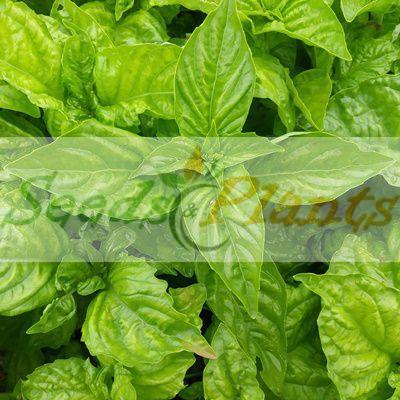
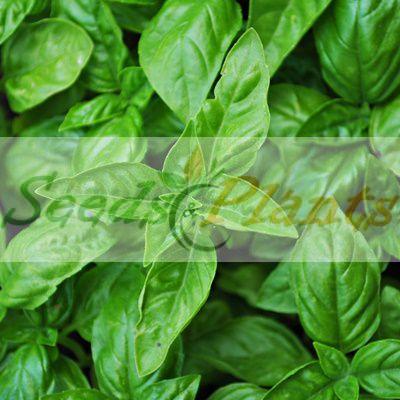
Our Basil Varieties
Out of stock
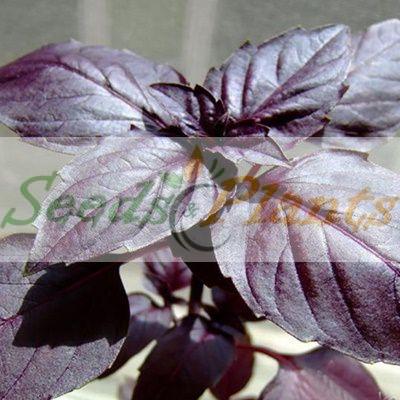
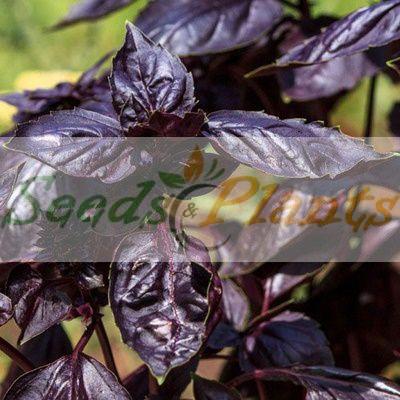
Out of stock
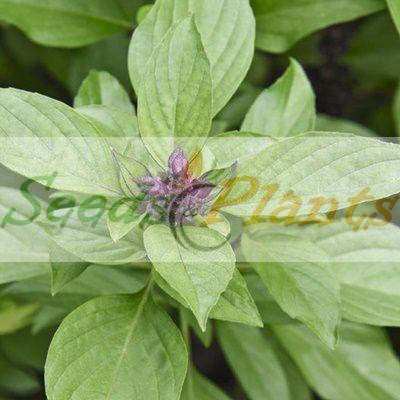

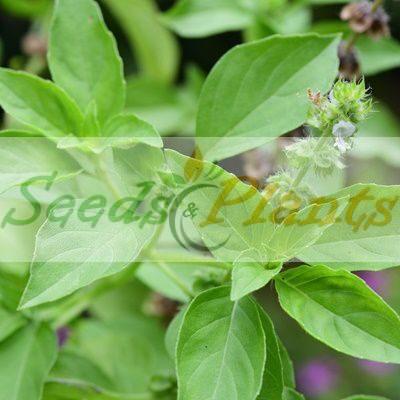

Out of stock
Related Articles
Common Rue vs Syrian Rue
Read MoreRaspberry Types
Read MoreDifferent Broccoli Types
Read MoreEnglish, French and German Thyme
Read MoreDifferences Between Chard and Spinach
Read MoreGround Cherries versus Gooseberries
Read MorePea Types Explained
Read MoreThe differences between Klip Dagga and Wild Dagga
Read More