
Gardening Tips, Vegetable & Herb Gardening
Lambs Quarters Edible Weed
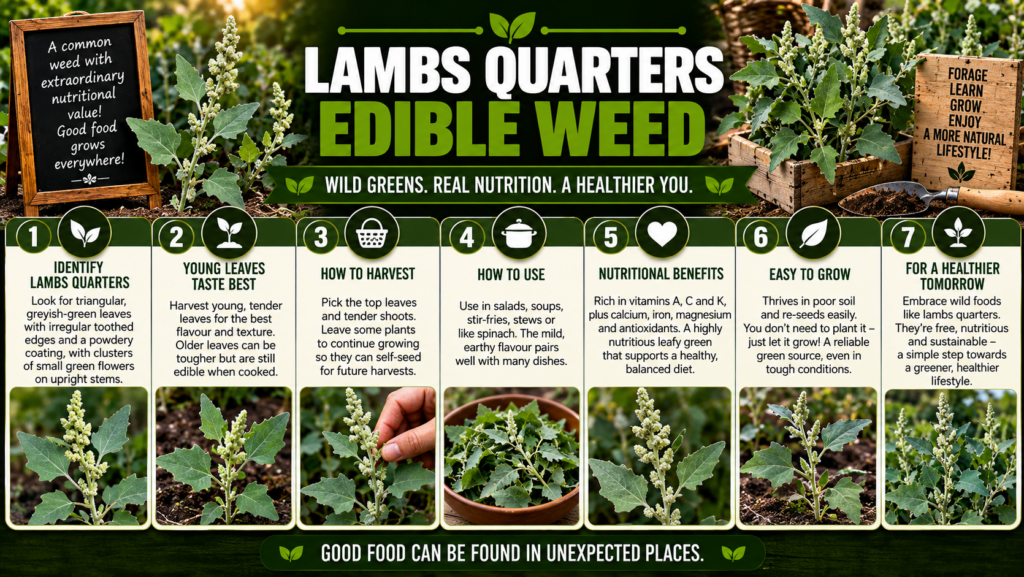
If you have ever pulled a leafy weed out of your vegetable garden and thrown it onto the compost heap, you may have unknowingly thrown away something edible.
Gardens in South Africa can be home to many wild plants that appear without being deliberately planted. Some are troublesome weeds, while others can be useful edible plants. One particularly interesting example is Lamb’s Quarters (Chenopodium album), a fast-growing annual plant that is also known in different parts of the world as fat hen, white goosefoot and bathua.
Lamb’s Quarters has traditionally been eaten as a leafy green and can be cooked in much the same way as spinach. The young leaves and shoots can be used in soups, stews and cooked vegetable dishes, making this often-overlooked garden plant an interesting addition to an edible garden.
However, as with any wild edible plant, correct identification is essential. Never eat a wild plant simply because it resembles something you have seen described as edible.
What Are Lamb’s Quarters?
Lamb’s Quarters is the common name generally used for Chenopodium album, an annual plant in the Chenopodium genus.
It is a fast-growing plant that can appear in disturbed soil, vegetable gardens, cultivated areas and other places where the soil has been disturbed.
Depending on growing conditions, plants can become quite large. They are often upright when young but may become more spreading as they mature and produce flowers and seeds.
The leaves can vary considerably depending on where they occur on the plant. Lower leaves are often broader and toothed, while upper leaves tend to be narrower.
One of the most noticeable characteristics is the whitish, mealy or powdery-looking coating found particularly on the newer leaves and their undersides. This appearance is one of the features that can help with identification, although it should never be used on its own.
The small greenish flowers are produced in clusters towards the upper parts of the plant.
How to Identify Lamb’s Quarters
Correct identification is especially important when harvesting wild plants for food.
Look for the following characteristics:
- An annual, fast-growing leafy plant.
- Upright growth when young, often becoming more spreading as it matures.
- Alternate leaves with considerable variation in shape.
- Lower leaves that are often diamond-shaped and toothed.
- Younger upper leaves that can have a distinctive whitish or silvery appearance.
- A mealy-looking coating, particularly on young growth and leaf undersides.
- Small, inconspicuous greenish flowers arranged in clusters.
- Small dark seeds produced in large numbers.
If you are unsure whether the plant in your garden is actually Chenopodium album, do not eat it. A reliable plant identification guide, experienced local forager or knowledgeable botanist can help confirm the identification.
Are Lamb’s Quarters Edible?
Yes. Lamb’s Quarters has a long history of being used as a food plant in various parts of the world.
The young leaves and tender shoots are the parts most commonly used as a cooked leafy vegetable. They can be prepared similarly to spinach.
The flavour can be surprisingly pleasant. Depending on the plant and growing conditions, the cooked leaves can have a mild, earthy flavour and a soft texture.
Lamb’s Quarters can be:
- Cooked as a leafy vegetable.
- Added to soups.
- Added to stews.
- Stir-fried with other vegetables.
- Added to omelettes or savoury dishes.
- Chopped and incorporated into cooked meals.
- Used in recipes where spinach or another leafy green would normally be used.
Young tender shoots can also be cooked as a vegetable.
What About Eating the Leaves Raw?
Although young Lamb’s Quarters leaves can be eaten, cooking is generally the more sensible approach for larger quantities.
Like several other leafy plants in the Chenopodium and related groups, Lamb’s Quarters contains naturally occurring compounds, including oxalates and other substances that are best kept in perspective when the plant is eaten as food.
Cooking and discarding the cooking water can reduce some of these compounds.
For this reason, Lamb’s Quarters is best treated as a vegetable rather than something to consume in very large quantities every day.
As with any new edible plant, start with a small amount and see how you tolerate it.
Lamb’s Quarters and Nutrition
Lamb’s Quarters has traditionally been valued as a nutritious leafy vegetable.
The leaves contain a variety of nutrients, including vitamins and minerals, and the plant has historically been used as an inexpensive source of greens.
Its nutritional composition can vary depending on the growing conditions, maturity of the plant and the part consumed, so it is better to think of Lamb’s Quarters as one useful leafy green among many, rather than relying on it as a replacement for a balanced diet.
The seeds are also nutritious and have been used traditionally as a food source in some cultures.
How Lamb’s Quarters Is Used Around the World
Lamb’s Quarters has been eaten in many parts of the world.
In India, it is commonly known as bathua and is traditionally used as a winter leafy vegetable. The leaves are incorporated into dishes such as cooked vegetable preparations, soups, curries and flatbreads.
The plant has also been used historically in parts of Europe and elsewhere as a food during times when other vegetables were scarce.
This history is a good reminder that many plants we now automatically call “weeds” have had a place in traditional food systems for generations.
What About the Seeds?
Lamb’s Quarters produces a large number of small seeds.
Historically, the seeds have been collected and used as food in some regions. They can be dried and ground, cooked into porridge or incorporated into other dishes.
The seeds have also traditionally been used as animal and bird feed.
However, collecting and preparing large quantities of wild seeds is considerably more work than harvesting the young leaves, so for the home gardener the leaves are usually the more practical part to use.
My Experience Growing Lamb’s Quarters
One of the reasons Lamb’s Quarters caught my attention was because it appeared naturally in my garden.
Like many gardeners, my first instinct was simply to pull it out.
But once I discovered that the plant was edible, I decided to leave a couple of plants to grow and see what happened.
The plants became surprisingly large and produced an abundance of leaves.
When I harvested the leaves, I noticed something particularly interesting. After rinsing them, the leaves seemed to repel water rather than becoming immediately soaked.
This is related to the plant’s characteristic surface coating, which can give the leaves their distinctive whitish or mealy appearance.
I experimented with drying some of the leaves for later use and also cooked fresh leaves.
The fresh leaves worked particularly well as a cooked green and could easily be incorporated into the sort of meals where I would normally use spinach.
That is one of the enjoyable things about growing some edible wild plants: you can discover useful food growing where you least expected it.
A Simple Way to Cook Lamb’s Quarters
One of the easiest ways to try Lamb’s Quarters is simply to cook the young leaves with onion and garlic.
Ingredients
- Fresh young Lamb’s Quarters leaves
- 1 onion
- Garlic to taste
- A little cooking oil
- Salt and black pepper
- Fresh chilli, if desired
Method
- Harvest young, healthy leaves from a correctly identified plant.
- Remove any tough stems and damaged leaves.
- Wash the leaves thoroughly under clean running water.
- Heat a little oil in a frying pan.
- Add chopped onion and cook until softened.
- Add chopped garlic and chilli if desired.
- Add the Lamb’s Quarters leaves.
- Cook until the leaves have wilted and are tender.
- Season with salt and black pepper.
- Serve while warm.
It is a very simple preparation, but sometimes simple is best when trying a new leafy vegetable.
You can also use cooked Lamb’s Quarters in soups, stews, savoury pies, omelettes and other dishes where spinach or another cooked green would normally be used.
Can Lamb’s Quarters Be Dried?
Yes, the leaves can be dried for later use.
If you want to experiment with drying them, harvest healthy leaves and wash them thoroughly. Allow excess water to drain away before drying.
Because the leaves have a surface coating, they may take longer to dry than some other leafy greens.
A food dehydrator is generally more predictable than simply leaving fresh leaves on a kitchen counter because controlled drying conditions help reduce the risk of spoilage.
Once completely dry, store the leaves in a clean, dry, airtight container away from heat and direct sunlight.
Dried Lamb’s Quarters can then be crumbled and added to soups and stews.
Important: Make Sure the Leaves Are Completely Dry
Do not store leaves that still contain significant moisture.
Partially dried plant material can spoil during storage, so make sure the leaves are properly dried before putting them away.
Harvesting Lamb’s Quarters From the Garden
If you decide to allow Lamb’s Quarters to grow in your garden, harvest the young leaves regularly.
Young leaves are generally more tender and are better suited to cooking than older, tougher foliage.
Choose plants growing in clean soil and away from areas where chemicals, contaminated water, animal waste or other pollutants may have been present.
Avoid harvesting from:
- Roadsides with heavy traffic.
- Areas that may have been sprayed with herbicides or pesticides.
- Places contaminated by animal waste.
- Industrial or polluted areas.
- Unknown locations where the history of the soil is uncertain.
Never assume that a wild edible plant is safe simply because the species itself is edible. The growing environment matters too.
Don’t Harvest From Chemically Treated Areas
This is particularly important in gardens.
If you normally control weeds with herbicides, do not harvest plants from an area that has been treated unless you know the product’s label requirements and the appropriate waiting period.
If you want to eat Lamb’s Quarters, it is much better to allow a small number of plants to grow in an area that is managed specifically for edible plants.
Lamb’s Quarters as a Garden Plant
Although many gardeners regard Lamb’s Quarters as a weed, there is another way to look at it.
A plant does not necessarily have to be deliberately planted to have a useful role in the garden.
Lamb’s Quarters can provide:
- An edible leafy green.
- Organic material for the compost heap if excess plants are removed.
- Habitat and food for some insects.
- An opportunity to learn about wild edible plants.
However, that does not mean you should allow it to take over your vegetable beds.
Lamb’s Quarters grows quickly and produces large quantities of seed. If you allow plants to mature and set seed, you may find considerably more Lamb’s Quarters appearing in subsequent seasons.
For this reason, it is worth deciding how many plants you actually want to keep.
Can Lamb’s Quarters Be a Trap Crop?
Lamb’s Quarters can attract certain insects, including leaf miners and other garden insects.
This has led to discussion of the plant being useful as a trap or companion plant in some situations.
However, trap cropping is not as simple as planting one particular weed and expecting it to protect everything around it.
If a plant attracts a particular pest, it may also increase the number of that pest in your garden.
For the home gardener, I would therefore treat Lamb’s Quarters primarily as an edible volunteer plant, rather than deliberately growing it as a pest-control strategy.
Lamb’s Quarters and Traditional Herbal Uses
Lamb’s Quarters also has a history of traditional use as a plant medicine.
Various Indigenous peoples and traditional practitioners have used preparations made from the plant for different purposes. Historical accounts describe uses involving digestive complaints, general wellbeing, external cleansing and topical applications.
These are traditional uses rather than proof of modern medical effectiveness.
If you are interested in Lamb’s Quarters from an herbal perspective, it is important to distinguish historical plant use from scientifically established medical treatment.
A traditional remedy should not be assumed to diagnose, prevent or treat a medical condition.
Lamb’s Quarters and Safety
Although Lamb’s Quarters is an edible plant, “edible” does not automatically mean “eat unlimited quantities”.
A few sensible precautions are worthwhile.
Always identify the plant correctly
This is the most important rule.
There are many wild plants, and not every plant growing in a vegetable garden is edible.
Wash the leaves properly
Wild plants can carry soil, insects and other contaminants. Wash harvested leaves thoroughly before preparing them.
Cook the leaves
Cooking is a sensible way to prepare Lamb’s Quarters, particularly when consuming more than a small amount.
Avoid plants from contaminated areas
Do not harvest from polluted soil, sprayed areas, roadsides or places where contamination is suspected.
Don’t overdo it
Lamb’s Quarters is a vegetable, not a food that needs to be eaten in enormous quantities.
People with specific dietary or medical concerns should discuss unfamiliar wild foods with a qualified healthcare professional or dietitian before making them a regular part of their diet.
What If Lamb’s Quarters Appears in Your Vegetable Bed?
This is where personal preference comes into play.
You don’t have to keep every Lamb’s Quarters plant that appears in your garden.
If it is growing in the middle of a row of carrots and competing for water and nutrients, remove it.
But if one or two healthy plants are growing in an unused corner, you could decide to leave them and harvest the young leaves.
This is a much more useful way of thinking about garden weeds:
Is this plant actually causing a problem, or have I simply assumed that it is a problem because I did not know what it was?
Of course, some weeds really are invasive or troublesome and should be removed. But learning to identify the plants growing naturally in your garden can reveal some interesting edible species.
Letting Lamb’s Quarters Grow in Your Garden
If you decide to keep Lamb’s Quarters, I would recommend keeping it under control.
Allowing a couple of plants to mature can provide plenty of leaves, but mature plants can produce an enormous number of seeds.
If you do not want Lamb’s Quarters appearing throughout your vegetable beds next year, harvest the plants before they drop large quantities of mature seed.
Alternatively, if you enjoy having the plant in your garden, you can simply allow a few plants to self-seed in a designated area.
Lamb’s Quarters: Weed or Vegetable?
Perhaps the most interesting thing about Lamb’s Quarters is that it can be both.
To one gardener it is an unwanted weed.
To another gardener it is a free leafy vegetable.
The difference is often simply knowledge and where the plant happens to be growing.
I certainly don’t recommend allowing every weed in the garden to grow unchecked. But I do think it is worth learning what naturally grows around us before automatically reaching for the herbicide or pulling everything out.
Some plants may be weeds.
Some may be useful.
And some may even be food.
Final Thoughts
Lamb’s Quarters (Chenopodium album) is a fascinating example of an edible plant that many gardeners overlook.
It grows quickly, can produce an impressive amount of leafy growth and has a long history of being used as a vegetable in different parts of the world.
The young leaves can be cooked much like spinach, while the plant’s seeds have also traditionally been used as food.
If you discover Lamb’s Quarters growing in your garden, you don’t necessarily have to pull it out immediately. First identify it correctly, check that it is growing in clean, untreated soil and decide whether you have enough space to allow one or two plants to remain.
You may just discover that the “weed” you were about to throw away is actually a useful leafy vegetable.
The next time an unfamiliar plant appears in your garden, perhaps identify it before you pull it out. You never know what you might find growing for free.
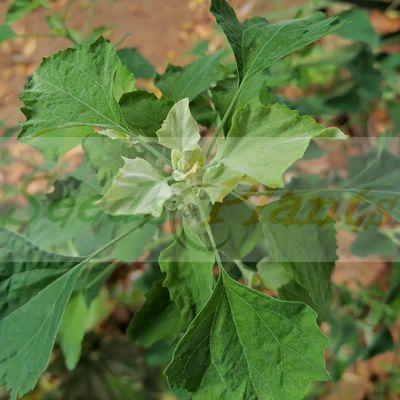
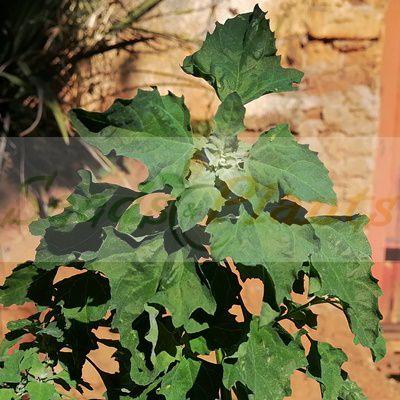
Buy Lambsquarter Seeds
Related Articles
Intercropping Vegetables
Read MoreBeneficial Insects vs Harmful Insects
Read MoreCommon Fruit Tree Problems
Read MoreUnderstanding Soil Types
Read MoreSoil Depth for Common Vegetables
Read MoreBenefits of Companion Planting
Read MoreSigns of Overwatering vs Underwatering
Read MoreCommon Seedling Diseases
Read More